
Your shopping cart is empty!
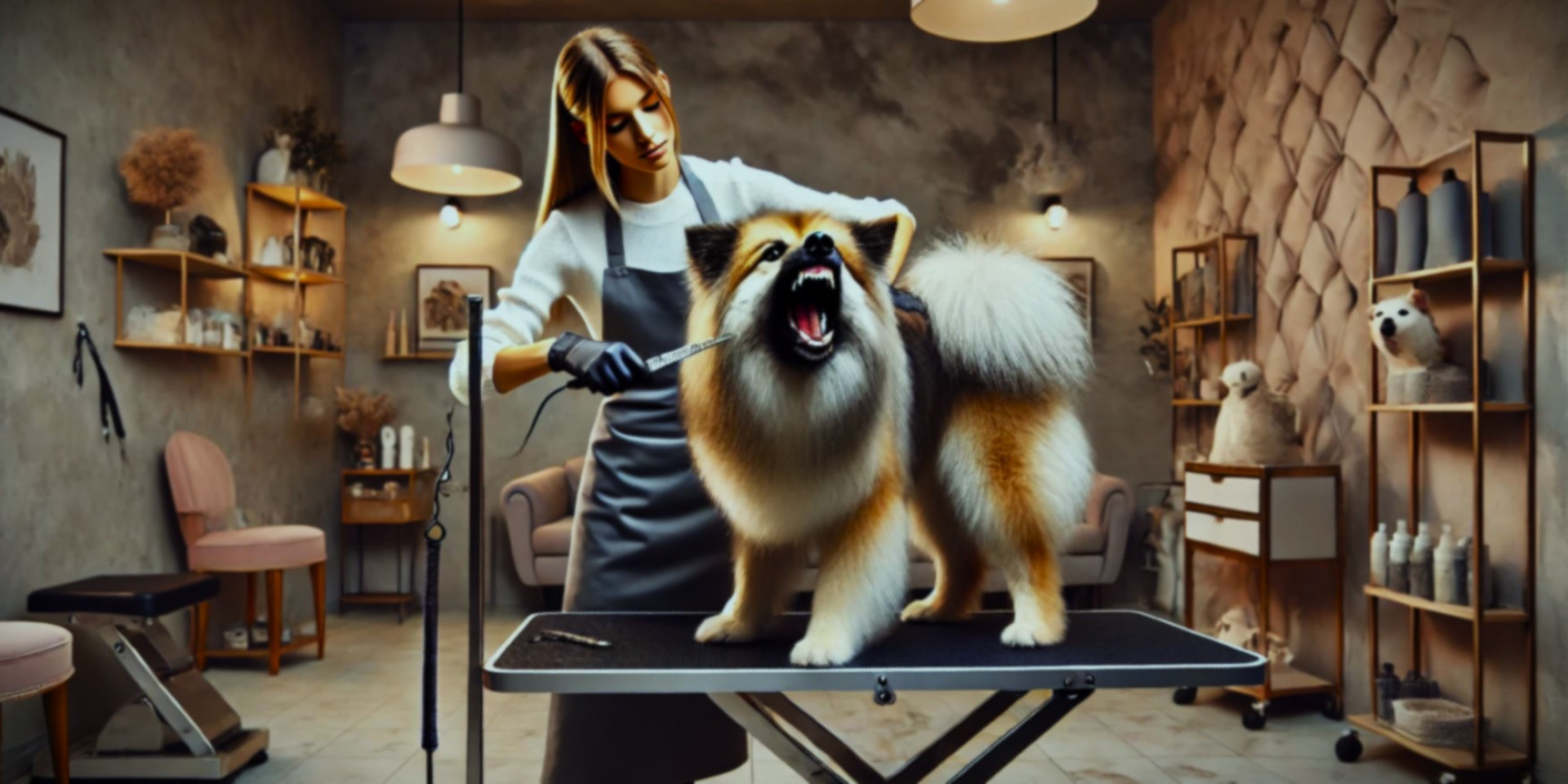
Caring for an aggressive dog or cat is a true art that requires patience, attention, and certain skills. If your four-legged friend has had a bad experience with grooming or is simply not accustomed to the process, it may cause fear or aggression at the sight of brushes and nail clippers.
It's important to be able to recognize when your dog is feeling uncomfortable. Here are some key signs of aggression to watch for:
Growling or Barred Teeth: These are the first signals that your pet is not in the mood.
Tension in the Body or Raised Fur: A dog’s body may become stiff, and fur may stand up when it feels threatened.
Active Resistance or Attempts to Escape: Your dog may try to break free from your grip or simply distance itself.
Sharp Bites or Warning Nips: If the dog feels in danger, it may take measures to protect itself.
Intense Staring or Wide-open Eyes: This is a signal of alarm that should be considered.
Knowing these signals will help you notice discomfort in your dog in time and avoid undesirable situations.
Why is it Important to Care for an Aggressive Dog?
Caring for an aggressive dog can be challenging, but it is extremely important for its health. With the right tools and a positive attitude, you can make grooming easier and less stressful for both of you. It’s also worth considering working with a professional groomer who can help you and your pet feel more comfortable during the procedures.
 Dogs and cats use aggression to communicate, explains Anastasia Maznik, a groomer with years of experience at the "Louis Bichon" salon. When your dog growls or bares its teeth, it is trying to convey to you that it is uncomfortable. It is important to understand why your pet may exhibit aggression. Here are a few common reasons:
Pain: If a dog feels physical discomfort, it may trigger aggression.
Fear: Unpleasant noises and new tools can scare the dog.
Anxiety: Many dogs suffer from anxiety that is heightened during grooming.
Old Age: Older dogs may have more medical issues and be less patient with procedures.
Health Problems: Illnesses can make dogs more sensitive to touch.
Negative Past Experiences: If a dog has previously suffered trauma or poor treatment during grooming, it can affect its behavior today.
Understanding these factors is key to successful and safe care for your dog or cat.
Grooming an aggressive pet can be a real challenge, but with the right approach and preparation, you can make this process easier and less stressful. Here are some helpful tips to set yourself up for success:
1. Start Young
The earlier you start familiarizing your pet with grooming, the easier it will be for them to adapt to this process in adulthood. Groomer Anastasia Maznik advises gently touching the paws, toes, tail, as well as checking the ears and brushing the teeth from a young age. This will help form positive associations in your pet.
2. Choose a Quiet Place
Create a cozy atmosphere by choosing a quiet room for grooming where your dog will feel comfortable. Avoid noisy places and unnecessary stimuli that can cause stress. A calm environment will help your pet relax.
3. Use the Right Grooming Tools
The right tools are the key to success. Groomer Anastasia emphasizes that using quality brushes and tools is important for the safety and comfort of your dog or cat. The type of brush depends on your pet's breed and coat type. If you don’t know where to start, seek advice from a groomer or veterinarian.
4. Have Safety Tools on Hand
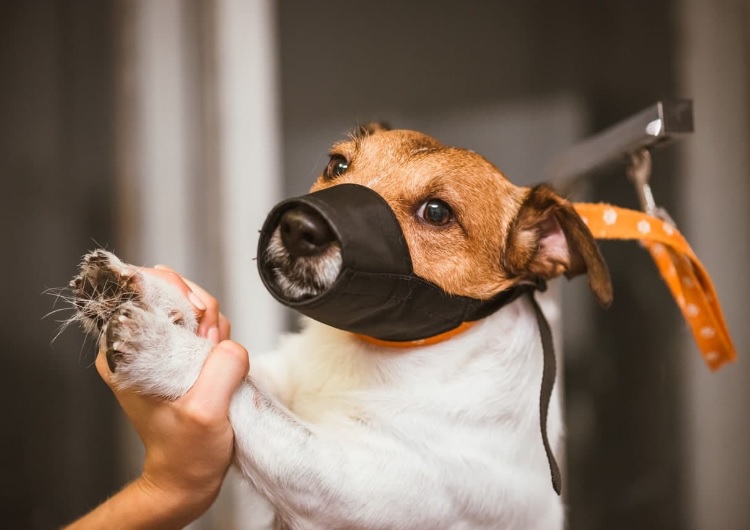
Ensure the safety of your dog/cat with special tools such as grooming tables, loops, and muzzles. If you plan to use them at home, ask a groomer to show you how to use them properly. Anastasia recommends using "basket muzzles" as they are the most comfortable and safe.
5. Use Calming Aids
To help your dog feel more relaxed during grooming, consider using calming drops like Keep Calm. These drops help reduce anxiety and create a calm atmosphere during the procedure. The drops are easy to administer and can be a useful addition to your grooming comfort arsenal.
Remember that the main goal is to ensure the comfort and safety of your dog. With the right approaches and techniques, grooming can become a pleasant experience for both of you.
Grooming an aggressive dog at home can be a challenging task, but with the right approach, it can be done safely and with minimal stress for both of you. Here’s a step-by-step guide from grooming expert Anastasia Maznik:
1. Start Slowly
Instead of jumping straight into the procedure, begin with gentle touches and short sessions. “Get your dog used to brushing and clipping long before you actually need to,” advises Anastasia. First, introduce your pet to the tools, then gently touch them, working on one part of the body at a time.
2. Use Treats
Motivate your dog with their favorite treats. Anastasia recommends rewarding them after each stage of grooming. “This isn’t the time for regular food—prepare some freeze-dried chicken!” she says. This will help create a positive experience.
3. Watch for Stress Signals
Pay attention to the signals your dog is giving. If they start to look tense (side-eye, stiff posture), take a break. “The goal is for the dog not just to tolerate grooming but to enjoy it!” adds Anastasia.
4. Stay Calm
Your mood matters greatly. “Speak in a calm tone and reassure your dog that everything will be fine,” she advises. Your confidence will help reduce the dog's tension.
5. Take Plenty of Breaks
Don’t rush! Anastasia recommends taking breaks during the procedure so the dog can rest. “Many of our clients clip one or two nails each day—that’s a great schedule,” she adds.
6. Ask a Friend for Help
If your dog is trying to squirm away, seek help from a friend. Have them distract the dog with treats or a special licking mat to make the process less stressful.
7. Train Your Dog to Wear a Muzzle
Using a basket muzzle is an important safety measure during the grooming of a dog that may bite. “Start slowly and use plenty of treats until the dog gets used to the muzzle,” advises Anastasia. The comfort of the dog should be a priority during grooming, so if you have any doubts, don’t hesitate to consult a professional.
With these simple yet effective tips, you can groom your dog without unnecessary stress and with maximum safety.
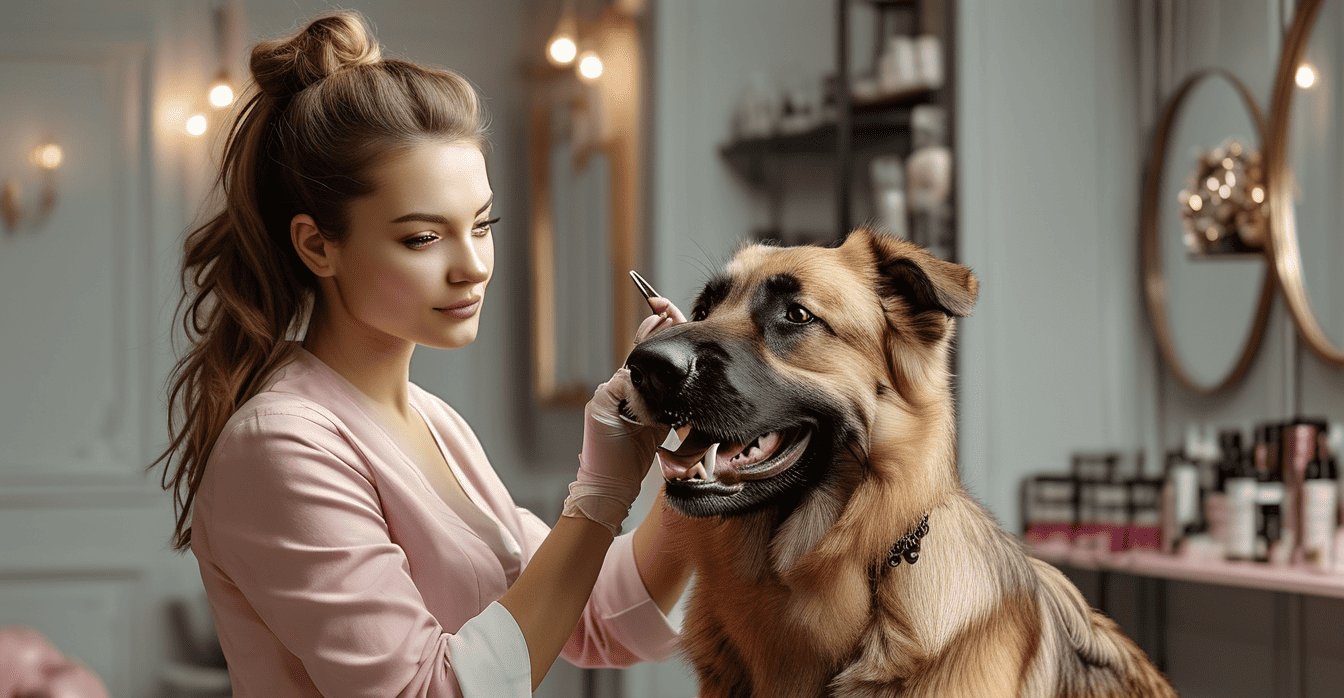
“Choosing the right groomer is a critical step,” emphasizes Anastasia Maznyk, a groomer at Louis Bichon Salon. Each dog/cat has its unique needs and character, so what may be comfortable for one may cause stress for another.
There are a few important points to consider when choosing a groomer:
Ask for recommendations from friends: Personal recommendations are often the best source of information. Friends can share their experiences and recommend a professional they trust.
Check qualifications: The experience and specialization of a groomer can significantly impact your dog's comfort and safety. Ask for certificates or documents that confirm their professionalism.
Read reviews: The internet is a source of many reviews about groomers. Familiarize yourself with the opinions of other dog owners to understand what to expect.
Creating a positive experience during grooming can change your dog’s attitude towards the process. Encourage calm behavior with treats and praise, which over time can help reduce fear, anxiety, and stress—the primary causes of aggression. When a dog feels supported and loved, it may start to associate grooming with positive emotions.
Thus, it is essential not only to find a qualified groomer but also to actively work on your dog’s emotional comfort to make grooming a pleasant and beneficial procedure.
Acquainting your dog with grooming tools is an important step that will help reduce its fear and aggression during the procedure. Anastasia Maznyk offers several simple but effective steps for desensitizing your pet:
Start with demonstrating the tools: Place nail clippers or a grinder in the room where you are with your dog. Allow them to look at the tool, then offer their favorite treat. Repeat this procedure for several days so the dog associates the tools with a positive experience.
Bring the tool closer: When your dog gets used to seeing the tool, try to bring it closer, about five to six feet away. Continue showing it to them while accompanying this with treats. Repeat this stage daily for three to four days.
Get even closer: Place the tool about a foot away from the dog on the couch or table. Let them see it and then encourage them with treats. Again, repeat this for several days.
Let them sniff: Once the dog is familiar with the appearance of the tool, allow them to sniff it. Gently touch the tool to their paw or side so they get used to the sensation. Repeat this practice for several days.
Practice holding the paw: If you plan to use clippers or a grinder, try gently holding your dog’s paw without trimming the nails. Offer treats and praise for calm behavior. If you're working with a grinder, turn it on next to your dog’s paw and encourage them. This exercise should be repeated for several days. If your dog gets nervous, go back to the previous step.
Try trimming or filing one nail: When your dog is ready, gently trim or file one nail. Be careful not to injure the nail. If the dog remains calm, be sure to praise them and give a treat. If they become nervous, it’s better to stop and return to the paw-holding exercise.
These steps can make the grooming process much more enjoyable and less stressful for your dog.
Anastasia notes that some common signs of dog aggression during grooming include:
panting
licking
restlessness
tail tucked
tense body
attempts to hide
wide-open eyes and ears pinned back.
Calming is possible, but it should be done by a veterinarian. It's better to try other methods, such as desensitization.
A grooming table, harnesses, and restraints around the head and neck can gently hold a dog in place. However, these tools are usually used only by trained groomers who know how to apply them safely.
A long walk or playtime in the park will help your dog expend excess energy. Some dogs may also benefit from calming drops.
Yes, regular grooming can help a dog get used to the process. Short and positive sessions can improve comfort and reduce aggressive reactions over time.