
Your shopping cart is empty!
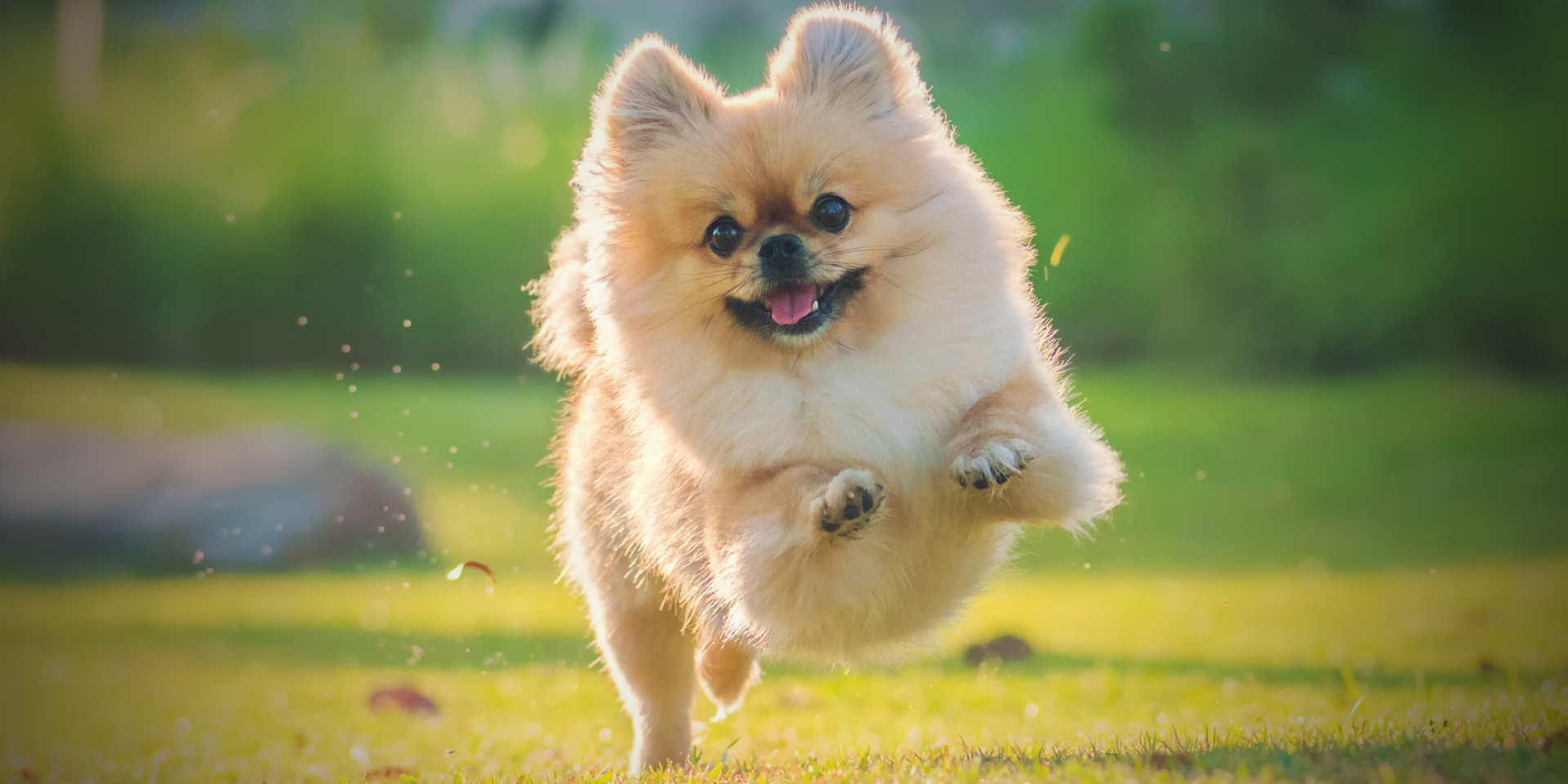
Representatives of this breed are divided into several distinct types - Finnish Spitz, Wolf Spitz, German Small and Medium, Japanese, and Pomeranian. Today, let's delve into the latter.
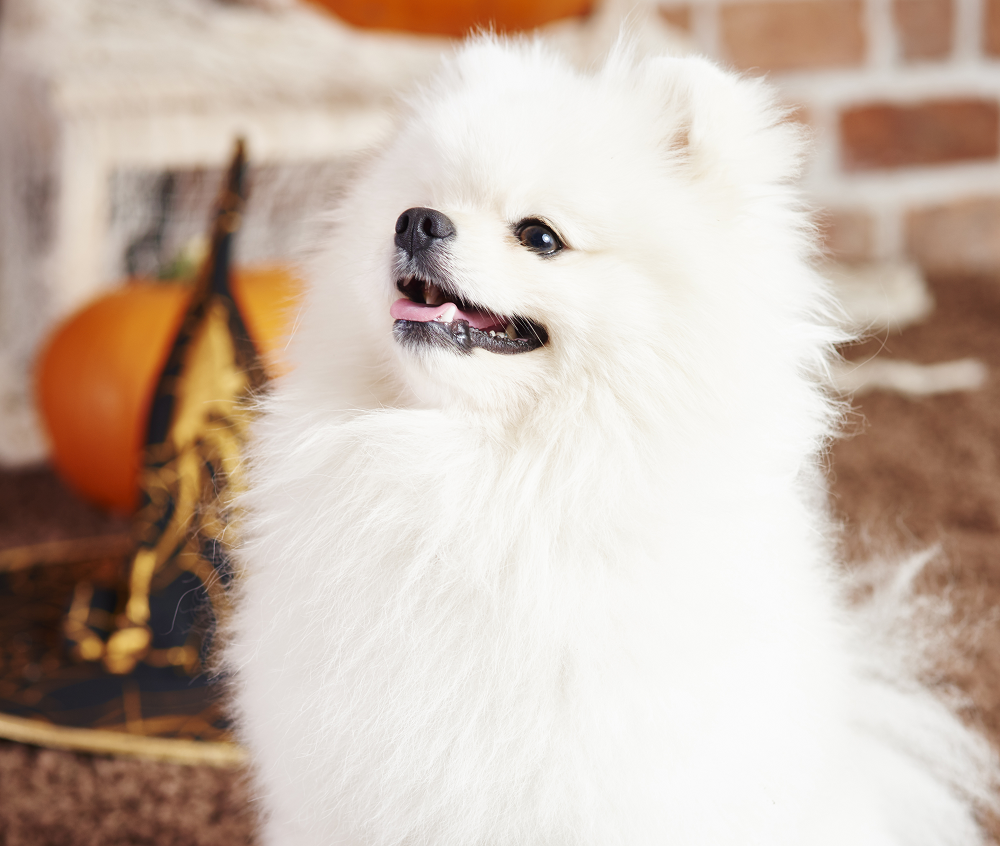
Pomeranian Spitzes are likely descendants of Arctic sled dogs. They probably have familial connections with Wolf Spitz, Norwegian Elkhound, and Samoyed Laika.
The first reliable records of the breed appeared in Pomerania, a region bordering the Baltic Sea, dating back to the 19th century.
In terms of character, these are active and energetic little dogs, very devoted to their families. Pomeranian Spitzes love being carried and receiving a lot of attention. They are active and cheerful companions. Many of them respond well to training and generally enjoy playing games.
Regarding health, similar to many other small breeds, Pomeranian Spitzes occasionally suffer from patellar luxation. Additionally, this breed is prone to issues related to hair loss - alopecia, which can be caused by various specific factors and may arise unexpectedly. Hence, caring for their coat is crucial for these breeds.
When young, Spitz needs extra careful care to facilitate transition of their coat from puppy to mature fur. However, later, care can be reduced to a couple of times a week, by oneself.
The solution to this problem lies in application of a special spray, such as Fluid Spray Puramur Express Hair Protector.
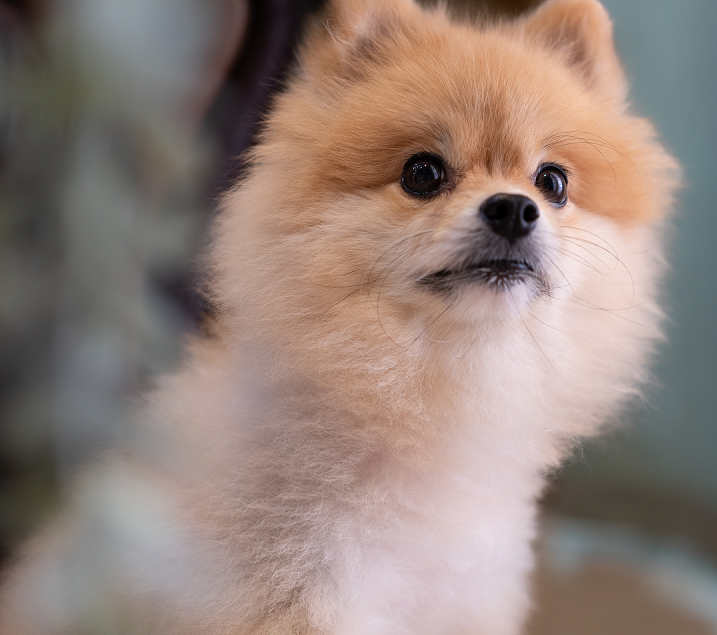
Regularly check undercoat for tangles. Avoid using a comb with frequent teeth, as this can damage it and disrupt volume. Сoat should be thoroughly combed with a wide-toothed comb and lightly brushed. To ease process, special sprays can be used. The solution to this problem lies in application of a special spray, such as Fluid Spray Puramur Express Hair Protector. This spray is specifically designed to ease process of combing and eliminate tangles, making coat care more comfortable and safe for your pet. It is recommended to take dog to a groomer at least once every 2-3 months. The groomer can help eliminate shedding undercoat, correctly treat coat with specialized cosmetics, detangle the mats, trim the nails, and clean the ears. It's best to bathe a healthy dog once every 2-3 weeks. Pay special attention to choosing right shampoo based on each dog's individual indicators - amount/volume of undercoat, skin's oiliness or dryness, and tendency to shed. Also, for care of voluminous, double type of fur, it's necessary to use a conditioner after bathing, both at home and in salon conditions.
Though these are smallest of all breeds, these dogs are active and cheerful. They can make good little guard dogs. However, they also require regular physical activity outside home to maintain physical fitness.