
Your shopping cart is empty!

How Often Should You Really Bathe Your Dog — Vets Say Something Different Than You Think
Fifty-six percent of dog owners bathe their pets less often than specialists recommend (Honest Paws, 2021). The obvious conclusion seems to be: bathe more often. But there's a flip side: veterinary dermatologists are increasingly reporting the opposite problem — owners convinced that frequent bathing is beneficial are actually destroying the protective skin barrier of their dogs.
The truth about bathing frequency is more nuanced than any simple rule. It depends on coat type, skin condition, lifestyle, and even the season. Between "bathe once a week" and "bathe once every three months" — both can be correct, depending on the breed. If you're a groomer or a responsible owner, understanding these nuances isn't just useful information. It's the foundation of your pet's health.
In this article we'll cover what vets actually say about bathing frequency, how coat type changes all the calculations, what happens to the skin when you bathe too often, and how to tell when your current routine needs adjusting.
TL;DR: The vet baseline is to bathe a healthy dog once every 4 weeks. But short-coated breeds only need a bath every 2–3 months, long-coated breeds every 4–6 weeks, and hairless breeds weekly. Critically: a 2023 study on 16 Labrador Retrievers found that daily bathing disrupts the skin microbiome for more than 35 days after the last bath (PMC / Frontiers in Veterinary Science, 2023).
What Vets Actually Recommend: The Baseline Bathing Frequency
Most vets cite once every four weeks as the universal baseline for a healthy adult dog with no dermatological issues (Dr. Alison Diesel, Texas A&M University, 2021). That's twice as infrequent as many owners bathe their pets — which is exactly why the recommendation often comes as a surprise.
Why four weeks specifically? A dog's skin needs time to restore its natural lipid barrier — the thin protective film made up of sebum and beneficial microorganisms. Every shampoo bath partially breaks this barrier down. Most shampoos, even gentle ones, lower the skin's pH and strip away its protective substances. Four weeks is roughly how long the skin takes to recover to its normal state.
"Once a month" is the baseline — a starting point, not a rigid rule. The actual frequency is always adjusted for the individual dog. According to the largest survey of American dog owners (n=322), 30% bathe their pets monthly and another 20% every two months. Meanwhile, 22% bathe their dogs every three to four months — which is perfectly acceptable for short-coated breeds by veterinary standards.
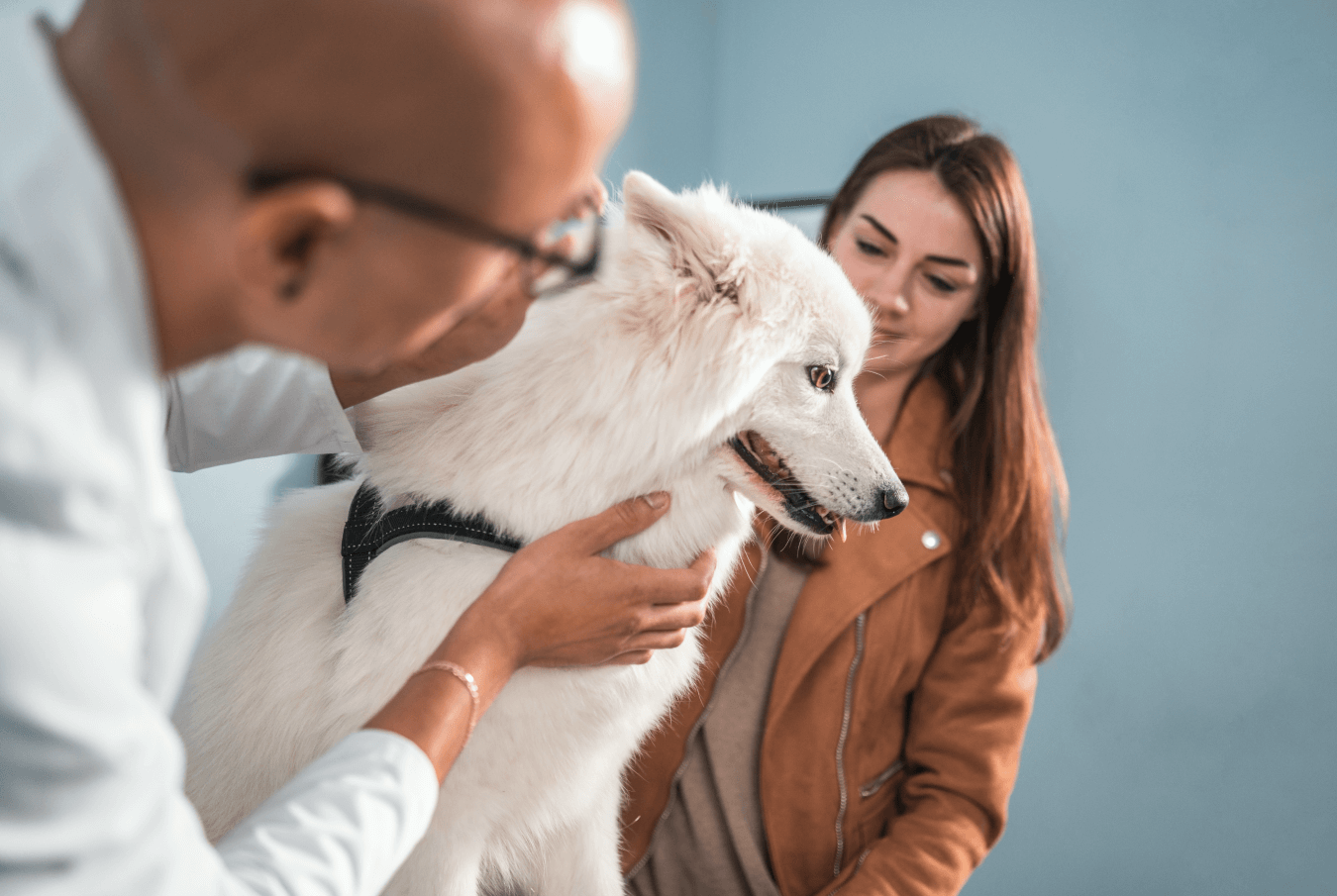
One important distinction: when a vet says "once every four weeks," they mean a full bath with shampoo and thorough drying. Wiping paws after a walk, cleaning ears, or removing a spot of dirt — those are separate procedures and don't count as a bath.
According to Texas A&M University vets, most healthy dogs need a full bath roughly every four weeks (Dr. Alison Diesel / Outward Hound, 2021). Yet 56% of surveyed owners bathe their pets less often than that, and 33% say their biggest challenge is keeping the dog still during the bath — a reminder that dog bathing is a multi-layered topic that goes well beyond frequency alone.
How Coat Type Determines How Often to Bathe Your Dog
Coat type is the single most important factor in determining actual bathing frequency. Hairless breeds (Xoloitzcuintli, Chinese Crested) need a bath weekly, while short-coated Boxers or Dalmatians can go two to three months between baths (Spencer Springs Animal Hospital, 2024). The difference in frequency between these categories can be as much as twelvefold.
Let's break down each group:
- Hairless breeds — weekly. Xoloitzcuintlis, Chinese Cresteds, and American Hairless Terriers have no fur coat, so sebum and dirt accumulate on the skin much faster. Without regular washing the skin becomes oily and inflamed.
- Water and curly-coated breeds — every 3–4 weeks. Poodles, Labradoodles, and Portuguese Water Dogs have a dense curly coat that quickly traps moisture and odors, and without regular maintenance it mats badly.
- Long-coated breeds — every 4–6 weeks. Yorkshire Terriers, Maltese, and Afghan Hounds need regular baths to prevent matting. If the coat is brushed daily, the upper end of the range shifts toward 6 weeks.
- Double-coated breeds — 1 to 12 weeks. Huskies, Malamutes, and Samoyeds: the range is enormous. During shedding season (spring and autumn) bathing helps speed up the coat change. Outside of shedding, once every 2–3 months is enough.
- Short-coated breeds — every 2–3 months. Boxers, Beagles, Dalmatians, and short-coated Labradors are the least demanding to maintain. Their coat self-cleans better than most, and natural oils last longer.
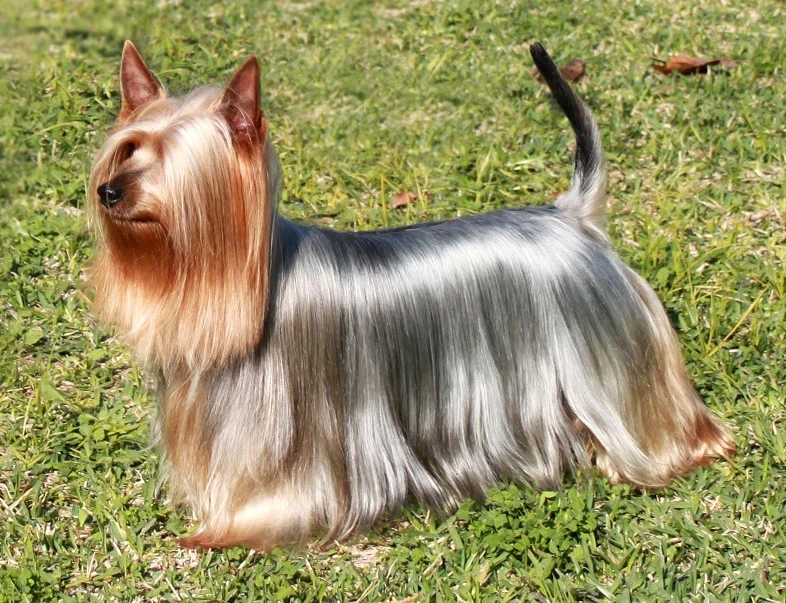
Coat type predicts the optimal bathing frequency far more accurately than any universal rule. Hairless breeds need a weekly bath; short-coated dogs need one every 8–12 weeks (Spencer Springs Animal Hospital, 2024). The gap between these categories can be as much as twelvefold — which is exactly why the advice "bathe once a week" is harmful for most breeds.
What Happens to a Dog's Skin When You Bathe Too Often
Daily bathing over two weeks significantly disrupts a dog's skin microbiome — and those disruptions persist for more than 35 days after bathing stops (Frontiers in Veterinary Science / PMC, 2023). This is one of the most important scientific findings in veterinary dermatology in recent years, and most popular pet care advice simply ignores it.
A study on 16 Labrador Retrievers found that daily bathing caused a sharp rise in Staphylococcus concentrations on the skin, while the diversity of beneficial microorganisms — Actinobacteria, Firmicutes, and Proteobacteria — declined. Thirty-five days after daily bathing ended, the microbiota had still not returned to baseline. Disruption of the normal skin microbiome balance is one of the key triggers of atopic dermatitis — an allergic condition found in 4.7–10% of dogs in developed countries (PMC / Dove Medical Press, 2024).
What happens to the skin from over-bathing:
- Breakdown of the lipid barrier. Sebum isn't dirt — it's protection. Shampoo strips natural oils, leaving the skin dry and permeable to allergens and bacteria.
- pH disruption. A dog's normal skin pH is 6.2–7.4 (compared to 4.5–5.5 in humans). Frequent washing shifts the pH, creating conditions for pathogenic microorganisms to thrive.
- Dryness, itching, and a vicious cycle. Frequent bathing → dry skin → itching → scratching → micro-injuries → inflammation. This cycle is often mistakenly attributed to allergies.
- Dull and brittle coat. Without enough natural oils, the coat loses its shine and becomes prone to matting even in breeds that are normally easy to brush.
Daily bathing for two weeks significantly alters the skin microbiota composition in Labradors — and those changes persist for more than 35 days after bathing stops (Frontiers in Veterinary Science / PMC, 2023). The biggest increase is in Staphylococcus — an opportunistic bacterium whose overgrowth is linked to dermatitis. This is scientific confirmation that "the more, the better" simply doesn't apply to dog skin care.
Special Cases: When the Standard Frequency Doesn't Apply
The baseline of "once every four weeks" is designed for a healthy adult dog with no chronic conditions. But there are plenty of situations that change that norm.
Dogs with Allergies and Atopic Dermatitis
During an atopic dermatitis flare-up, 2–3 baths per week with a medicated shampoo left on for 10 minutes before rinsing is recommended (MedVet / Dr. Lauren Pinchbeck, DACVD, 2024). The logic seems counterintuitive: frequent bathing with the right shampoo doesn't break down the barrier here — it supports it by removing allergens and reducing inflammation. For routine maintenance in dogs prone to skin issues, Puramur Antibacterial Protection shampoo with chlorhexidine is a good option, while dogs with sensitive or dry skin may benefit from Puramur Hypoallergenic shampoo for dry and sensitive skin. That said, this is strictly a medical recommendation — the schedule should be set by a veterinary dermatologist.
Active and Working Dogs
Hunting and herding breeds, search-and-rescue dogs, or simply active dogs that wade through puddles, swim, or roll in grass every day need a flexible routine. A partial rinse without shampoo is a perfectly acceptable alternative to a full bath after a muddy walk. Shampoo is not needed every time the dog gets wet. For regular full baths, Puramur Basic Care shampoo is a good fit — its gentle formula has minimal impact on the skin barrier even with more frequent use.
Senior Dogs
As dogs age, their skin becomes thinner and sebum production declines. Over-bathing worsens dryness. For most senior dogs, the ideal approach is to reduce bathing frequency by 20–30% compared to the breed norm and to use a moisturizing shampoo.
Puppies Before Completing Vaccination
Until the vaccination course is complete (usually by 12–16 weeks), bathing puppies outdoors or in standing water is not recommended due to infection risk. Bathing at home is fine: warm water, a fragrance-free neutral shampoo, and thorough blow-drying. For puppies and young dogs, Puramur Kittens & Puppies gentle care shampoo is ideal — a mild formula free of harsh ingredients, developed specifically for the sensitive skin of young animals. The most important thing is to prevent the puppy from getting chilled.
How to Tell Whether Your Current Bathing Routine Needs Adjusting
Rather than following a strict calendar, pay attention to the condition of your dog's skin and coat. There are clear signals in both directions.
Signs you're bathing too often:
- Skin is dry, flaky, or red after bathing
- Dog scratches constantly for no obvious reason between baths
- Coat has become dull and brittle since changing the routine
- A persistent unpleasant smell has appeared that doesn't go away even after bathing
Signs you're not bathing often enough:
- A noticeable "dog smell" lingers at home even between baths
- Coat looks greasy or clumped between baths
- Visible oily buildup, crusting, or dandruff on the skin
- Dog scratches more after walks

The real indicator of the right bathing routine is not the date on the calendar but the condition of that specific dog's skin and coat. A healthy coat shines, the skin doesn't flake, and the dog doesn't scratch without reason. Vets recommend reviewing the routine if any of these three markers changed after adjusting bathing frequency (MedVet, 2024).
Frequently Asked Questions About Bathing Dogs
How often should you bathe a dog in winter?
In winter, most dogs do well with a bath every 6–8 weeks instead of the standard 4. Cold air and indoor heating make the skin drier, so slightly less frequent bathing helps preserve natural oils. After walks in snow and road salt, a warm-water paw rinse is enough — a full bath is not necessary.
Can you bathe a puppy before vaccinations?
Until the vaccination course is complete (usually by 12–16 weeks), bathing a puppy outdoors or in standing water is not recommended due to infection risk. Bathing at home is fine: warm water, a fragrance-free neutral shampoo, and thorough blow-drying. The most important thing is to prevent chilling. Once the first outdoor walks begin, the bathing schedule is built around breed type.
Why does my dog smell bad right after a bath?
The "wet dog" smell right after a bath is normal: skin bacteria release volatile compounds in a moist environment. It disappears once the coat is fully dry. If the smell persists after drying — check the anal glands (overfull glands are a common cause of persistent odor) or see a vet, as a skin infection may be present.
How often should you bathe a dog with skin allergies?
During an atopic dermatitis flare-up, 2–3 baths per week with a medicated shampoo left on for 10 minutes before rinsing is recommended (MedVet / Dr. Pinchbeck, DACVD, 2024). Atopic dermatitis affects 4.7–10% of dogs. During remission, frequency is reduced on veterinary advice. Do not adjust the routine for a dermatological condition without consulting a vet.
Should you bathe a dog before a haircut?
Yes — it's the standard in professional grooming. A clean coat cuts more evenly, scissors and clippers stay sharp longer, and the session takes less time. Ideally, bathe 24–48 hours before the trim: the coat has time to dry completely and recover some of its natural oils, which gives better volume and finish.
Key Takeaways: What to Remember About Dog Bathing Frequency
There is no single right answer to "how often should I bathe my dog." The vet baseline of once every four weeks is a starting point that shifts based on breed, coat type, lifestyle, and the individual animal's skin condition.
The key points to take away:
- Vets set once every 4 weeks as the baseline, but it ranges from "weekly" (hairless breeds) to "every 3 months" (short-coated breeds)
- 56% of owners bathe their dogs less often than recommended — but bathing too frequently is equally harmful
- Daily bathing disrupts the skin microbiome for more than 35 days — this is scientific fact, not opinion
- Dogs with skin conditions may need 2–3 baths a week; that is part of treatment, not a violation of the rules
- The right technique and the right shampoo matter just as much as frequency
Let the condition of your dog's skin and coat guide you, not a rigid schedule. A healthy coat shines, the skin doesn't flake, and the dog doesn't scratch without reason. If any of that is a concern, the first step is not to switch shampoos — it's to see a vet.
If you're a groomer, this information will help you give clients more accurate, evidence-based recommendations. Being able to explain why "every two weeks" may be doing harm is a professional value your clients will remember.