
Your shopping cart is empty!
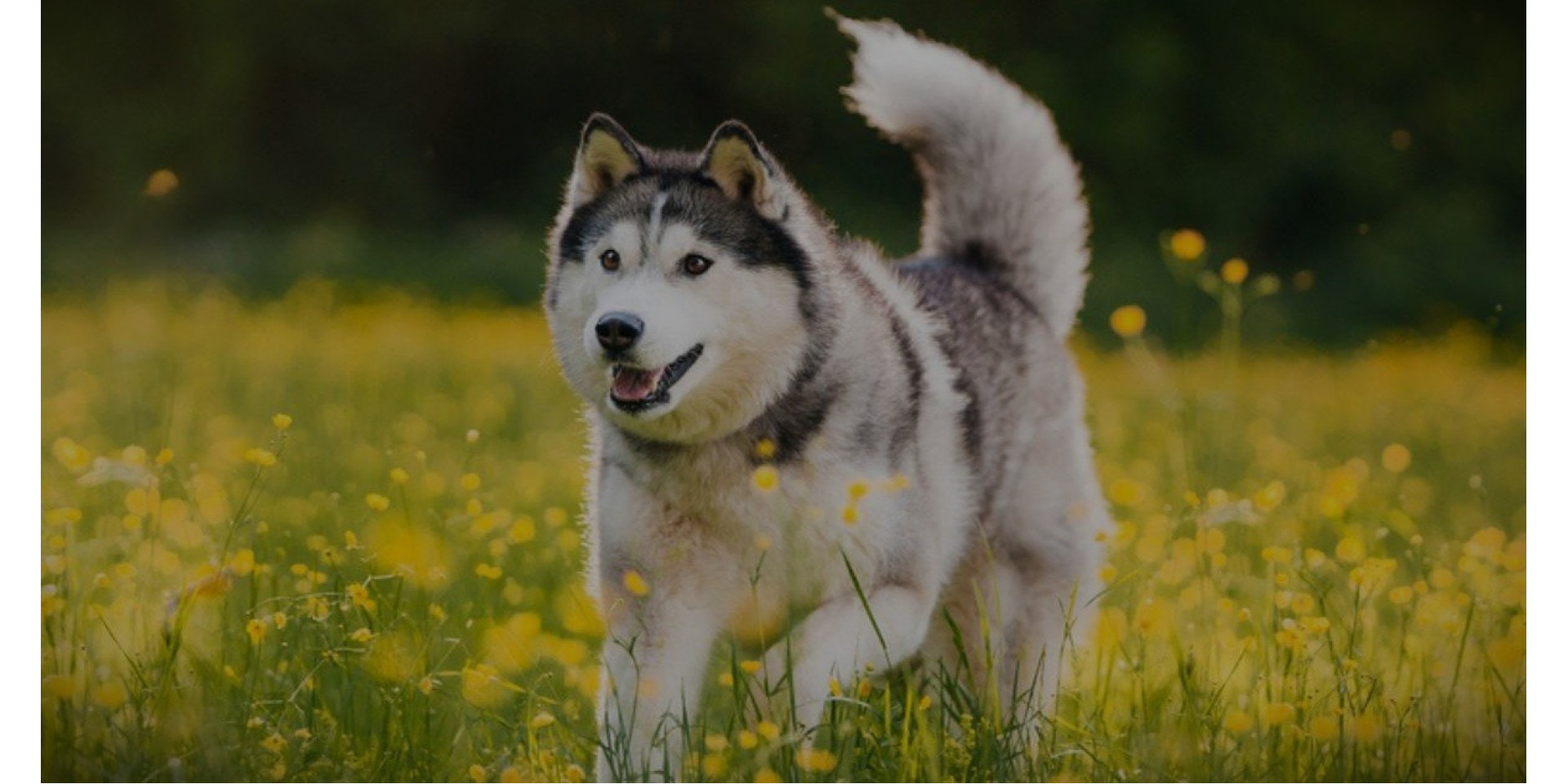
Husky Shedding Is Unlike Any Other Breed: Step-by-Step Coat Care at Home Without a Groomer

If you own a Husky, you know this moment well: you finish vacuuming, and an hour later the floor is covered in fur again. Huskies don't just shed a lot — they do it systematically, heavily, and twice a year in genuinely explosive waves. Most owners assume there's nothing to be done about it.
There is. The right home coat care routine can cut the volume of fur in your house by half or more — no regular groomer appointments, no expensive salon procedures, no hours of effort. All it takes is knowing the right technique and having a few key products.
Huskies need brushing 2–3 times a week, and daily during seasonal shedding. The undercoat releases most effectively after bathing with a strengthening shampoo followed by blow-drying. A detangling spray before every session is non-negotiable. According to AKC data (2025), the Siberian Husky ranks in the top 12 most popular breeds worldwide and in the top 5 for shedding intensity.
Why Huskies Shed So Intensely: The Biology Worth Understanding

The Siberian Husky is a working breed developed to survive in Arctic conditions. Their coat isn't just an appearance — it's a sophisticated two-layer thermoregulation system. The outer guard coat is stiff and water-repellent, shielding the dog from snow, rain and wind. The inner undercoat is exceptionally dense and soft, retaining warmth at -50°C and wicking away excess heat at +30°C.
That inner undercoat is the source of the "indoor snowstorm." Twice a year — in spring and autumn — the undercoat sheds completely. In Huskies this process is far more intense than in most breeds: a single brushing session during peak shedding can yield 100 to 200 g of loose fur — enough to stuff a small pillow.
Fact: Huskies are among the few breeds whose undercoat renews itself almost entirely twice a year. In most other breeds shedding happens gradually and evenly throughout the year. This is why, during shedding season, Husky fur seems to come out in sheets rather than individual strands.
Between the seasonal blows, Huskies also shed continuously at a lower level — a quiet, steady background loss every day. This is particularly noticeable in dogs living in heated homes: constant artificial lighting and stable indoor temperature can disrupt the hormonal cycle, causing the undercoat to release in a less explosive but more persistent pattern year-round.
What Tools You Need for Husky Coat Care at Home
The right set of tools is half the battle. With the wrong brushes you can work on a Husky for an hour and barely touch the undercoat. With the right ones, 20 minutes delivers more results than an entire grooming session with inadequate equipment.
A furminator or deshedding tool is indispensable. It passes through the guard coat and pulls out undercoat that has already detached from the follicle. A slicker brush with metal pins loosens the coat before the deshedder and collects surface fur. A rubber grooming glove is ideal for daily massage and picking up loose hair that falls throughout the day. A metal comb checks the risk zones — behind the ears, under the armpits and around the collar.
Key point: Before every brushing session, mist the coat with a detangling spray. Dry Husky fur snaps under mechanical stress and generates more static — loose hair flies around the room instead of collecting on the brush. Fur moistened by the spray comes out in clumps, not in a cloud of fine strands.
Recommended before every brushing session: Puramur Express Hair Protector Fluid Spray — formulated for effortless detangling of any coat type, including the thick double undercoat of a Husky. Evening primrose and marula oils nourish each hair strand; hydrolysed keratin and silk proteins protect the structure from breakage during brushing. Eliminates static — exactly what's needed when working through a dense, fluffy undercoat. Apply to dry or slightly damp fur.
Husky Brushing Technique: A Step-by-Step Guide
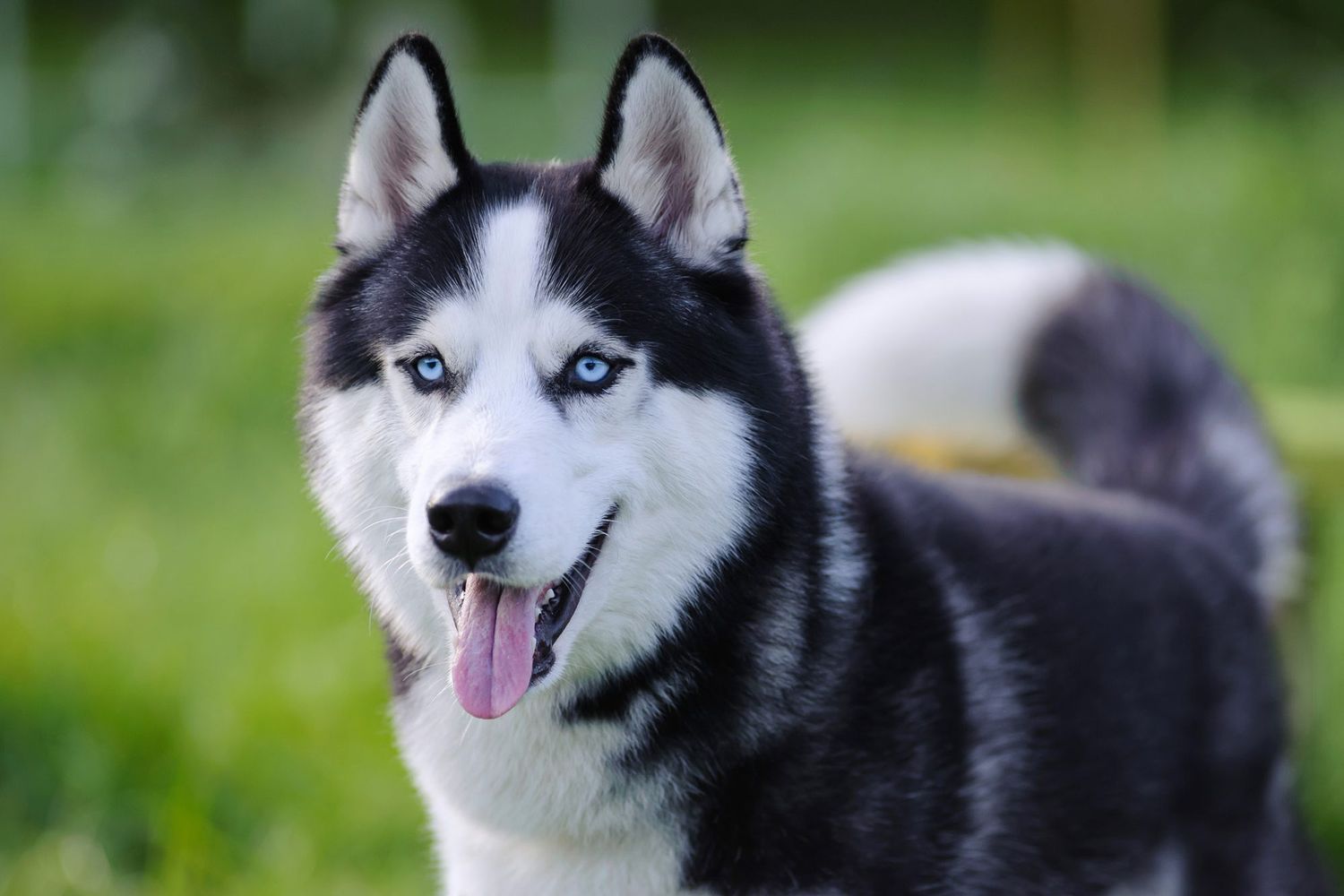
Brushing a Husky isn't "running a brush over the coat a few times." It's a structured process with a clear sequence that takes 20 to 45 minutes depending on coat condition and season. Here's the step-by-step plan.
- Mist the entire coat with detangling spray — evenly, from tail to head. Let it settle for 1–2 minutes.
- Use the slicker brush against the direction of coat growth — from tail to head. This loosens the undercoat and brings it to the surface.
- Work the deshedding tool with the direction of coat growth — short strokes, no heavy pressure. The tool captures the undercoat without force.
- Check risk zones with the metal comb: behind the ears, under the armpits, in the groin, around the collar. These areas matt fastest.
- Finish with the slicker brush in the direction of growth — to collect any remaining loose fur and even out the coat.
Common mistake: trying to brush a Husky completely "in one go" during intense shedding. It's uncomfortable for the dog and less effective overall. Shorter sessions every day are more productive than one long session per week. Undercoat that releases daily is far easier to remove before it has a chance to compress.
How Often to Brush a Husky: Specific Numbers
How to Bathe a Husky at Home: When, How Often and With What
Huskies are naturally clean dogs. They don't carry the typical "dog smell" and groom their paws meticulously, much like cats. This is why they need bathing far less often than most breeds: once every 6–8 weeks under normal conditions. More frequently only if the dog has genuinely got very dirty or during peak shedding season.
The "Brush First, Then Bathe" Rule
This is the single most important rule for bathing a Husky. Water compacts the loose undercoat that's in the process of shedding, and once dry it becomes even more tightly matted. Always brush completely before bathing. After bathing and drying, brush again with the deshedding tool — that's when the largest volume of dead undercoat releases.
Husky Bathing Technique
Water temperature: 36–38°C. A Husky's coat is very dense — saturating it all the way to the skin takes several minutes of pressing your palms firmly into the fur. Apply shampoo to wet fur, distribute evenly and leave for 2–3 minutes. Rinse thoroughly and at length: shampoo residue on a Husky's dense coat causes dandruff and persistent itching.
During shedding and for coat strengthening: Puramur Vitality Complex & Vitamin B Shampoo — a strengthening shampoo developed specifically for dogs experiencing heavy hair loss. B vitamins, D-panthenol and sea algae strengthen hair follicles, stimulate new coat growth and restore structure. The anti-static effect is particularly valuable for Husky undercoat. Dilutable at 1:5 — one bottle goes a long way for a large dog.
For regular bathing between shedding seasons: Puramur Basic Care Shampoo 1000 ml — a concentrated base shampoo suitable for all breeds and coat types. Aloe vera and plant extracts of burdock, bidens and wormwood gently cleanse, nourish and add shine to the coat. The large 1000 ml format is the practical choice for a big dog like a Husky. Dilutable at 1:5.
Drying — a Critical Step
Never leave a Husky to air-dry indoors. The undercoat stays damp for hours, and moisture trapped in a dense double undercoat is a direct cause of fungal skin infections. Always blow-dry on medium heat, brushing with a slicker brush against the airflow. This both shapes the coat's full, healthy appearance and accelerates the removal of dead undercoat at the same time.
Shedding season tip: after bathing and drying, immediately follow with a deshedding pass — while the coat is still warm. Warm fur releases undercoat more easily, and you'll extract the maximum volume of dead fur in a single session.
Seasonal Husky Coat Care Schedule
| Procedure | Normal period | During shedding | Product |
|---|---|---|---|
| Slicker brush session | 2–3× per week | Daily | Spray + slicker brush |
| Deshedding tool | 1–2× per week | Daily | Spray + furminator |
| Full bath | Every 6–8 weeks | Every 3–4 weeks | Vitality Complex or Basic Care |
| Blow-drying | After every bath | After bath + deshedding pass | Dryer + slicker brush |
| Detangling spray application | Before every brushing session | Before every brushing session | Express Hair Protector |
The Most Common Mistakes in Husky Coat Care
Most coat problems in Huskies result from a handful of the same predictable mistakes — all of them easy to avoid once you know what they are.
Never shave or clip a Husky. Shaving or close-clipping permanently destroys the double coat structure. The fur may grow back unevenly, lose its natural insulating properties and stop protecting the dog from both heat and cold. This damage is irreversible.
Never bathe an unbrushed Husky. Wet, unbrushed fur compacts during drying into solid felt that has to be cut out. Always brush fully before bathing — no exceptions.
Never leave a Husky to air-dry. A Husky's undercoat is so dense it stays damp far longer than it feels to the touch. Always blow-dry to complete dryness — moisture left in the undercoat leads directly to fungal skin problems.
Frequently Asked Questions (FAQ)
When does a Husky start shedding and how long does it last?
Seasonal shedding in Huskies occurs twice a year: spring (March–May) and autumn (September–November). Each blow-out can last 3 to 8 weeks. Huskies kept exclusively indoors with constant artificial lighting and stable temperatures often experience a more diffused, year-round pattern rather than two distinct intense peaks.
Can Husky shedding be reduced?
Shedding can't be stopped — it's a biological process. But regular brushing (2–3 times per week) and bathing with a strengthening shampoo significantly reduce the volume of loose fur in the home. A diet with adequate Omega-3 and Omega-6 fatty acids also visibly improves coat condition and reduces excessive hair loss.
Can I shave my Husky in summer to keep it cool?
No — and this is one of the most widespread mistakes owners make. The Husky's double coat protects against heat just as effectively as against cold: it insulates the dog from external temperature and enables natural ventilation to disperse body heat. Shaving destroys this system and makes the dog more vulnerable to overheating, not less.
How often should I bathe my Husky?
Every 6–8 weeks under normal conditions. Huskies are naturally odourless dogs, and frequent bathing strips the skin's protective lipid layer. During peak shedding you can increase frequency to every 3–4 weeks: bathing helps "flush out" detached undercoat that's still caught in the fur but no longer anchored to the follicle.
What is a furminator and is it really necessary for a Husky?
A furminator is a deshedding tool with specialised teeth that pass through the outer guard coat and pull out detached undercoat. For a Husky it's essential — a standard brush or comb delivers less than half its effectiveness when working through a dense Arctic undercoat. No other single tool makes as big a difference in the volume of fur removed per session.
Summary: The Essential Home Grooming Kit for a Husky
A Husky isn't a breed you can maintain with a brush once a week. But you don't need a groomer either — as long as you have the right tools and understand the technique. Here's what you need:
- Furminator or deshedding tool — the primary undercoat instrument
- Slicker brush with metal pins — for loosening and surface collection
- Metal comb — for checking risk zones
- Rubber grooming glove — for daily massage
- Detangling spray — before every session, without exception
- Strengthening shampoo — for bathing during and after shedding
- Hair dryer with temperature control — mandatory after every bath
With a consistent routine the time cost is 20–30 minutes three times a week plus 60–90 minutes every 6–8 weeks for bathing. The result: a healthy, glossy coat and significantly less fur-snowfall in your home.
Also read: how to choose the right shampoo for your dog and our guide to Labrador Retriever coat care — another breed with heavy, year-round shedding.