
Your shopping cart is empty!
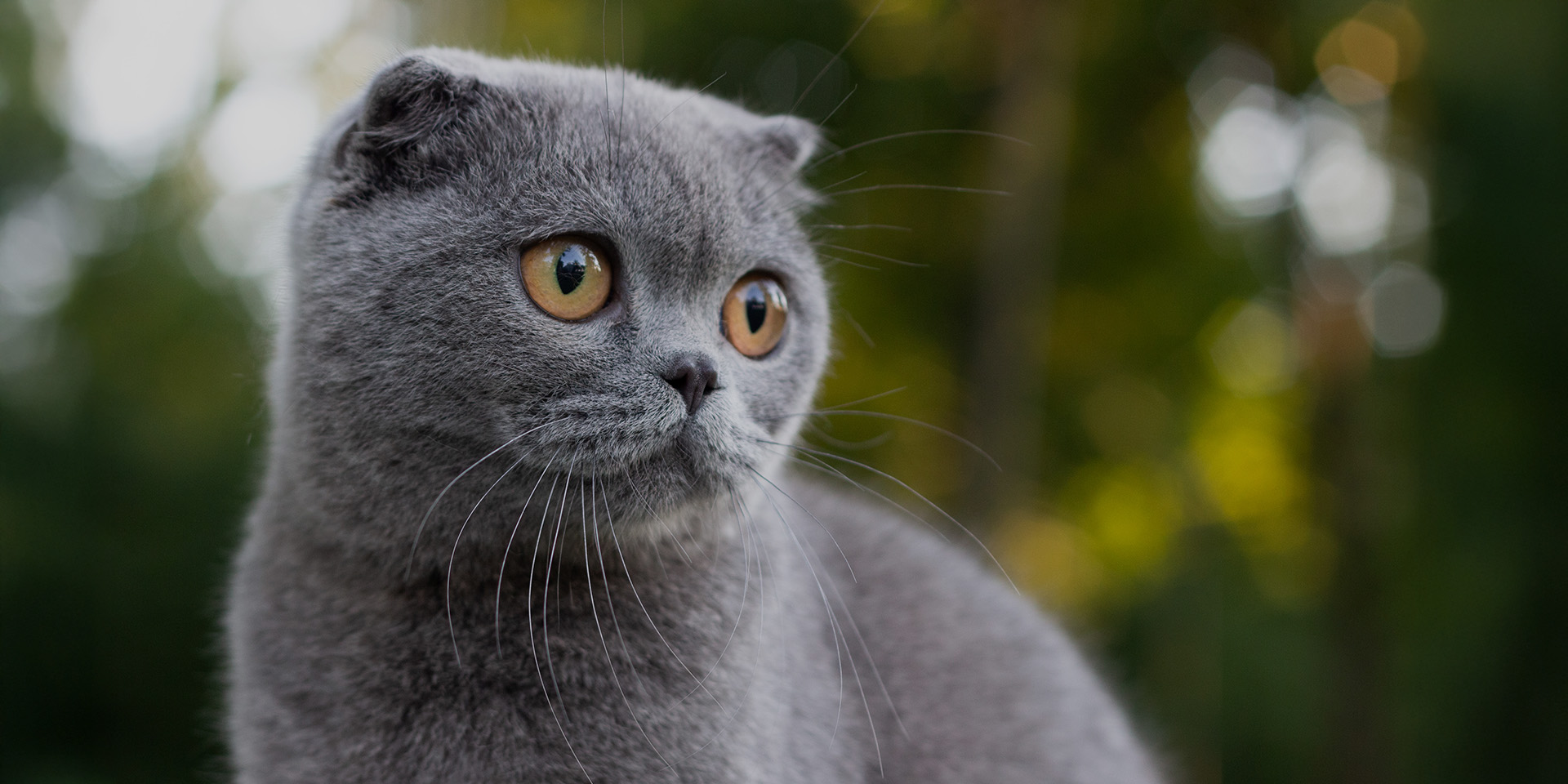
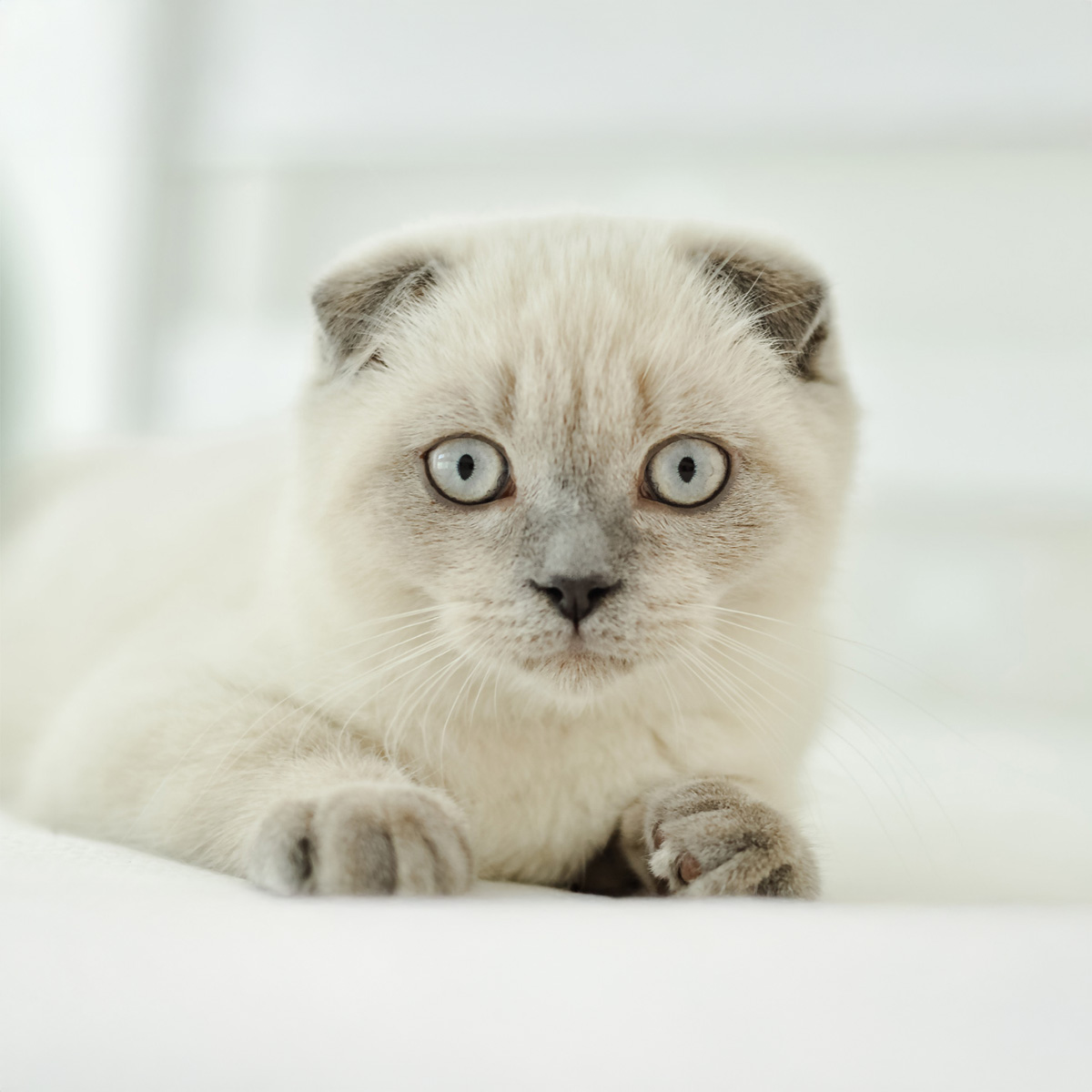
The Scottish Fold is captivating from the first glance: a round face, large expressive eyes and those signature folded ears that have become the breed's emblem. The softness isn't only in the personality — it's in the coat too. The dense, velvety plush of a Scottish Fold looks immaculate, but only when cared for regularly.
The most common misconception: "Scottish cats are short-haired — so they're easy to maintain." In reality, the Fold's dense double undercoat sheds year-round and needs just as much attention as the coat of a long-haired breed. And the breed has another feature most owners overlook entirely: those folded ears, where earwax and moisture accumulate faster than in any straight-eared cat.
Scottish Folds shed year-round, with heavier peaks in spring and autumn. Short-haired Folds need brushing 2–3 times a week; long-haired Highland Folds need daily brushing. Bathing every 4–6 weeks. Ears: clean weekly. According to NV rankings (2025), the Scottish Fold has been Ukraine's #2 most popular breed for several consecutive years.
Why Scottish Folds Shed So Much: The Coat Explained
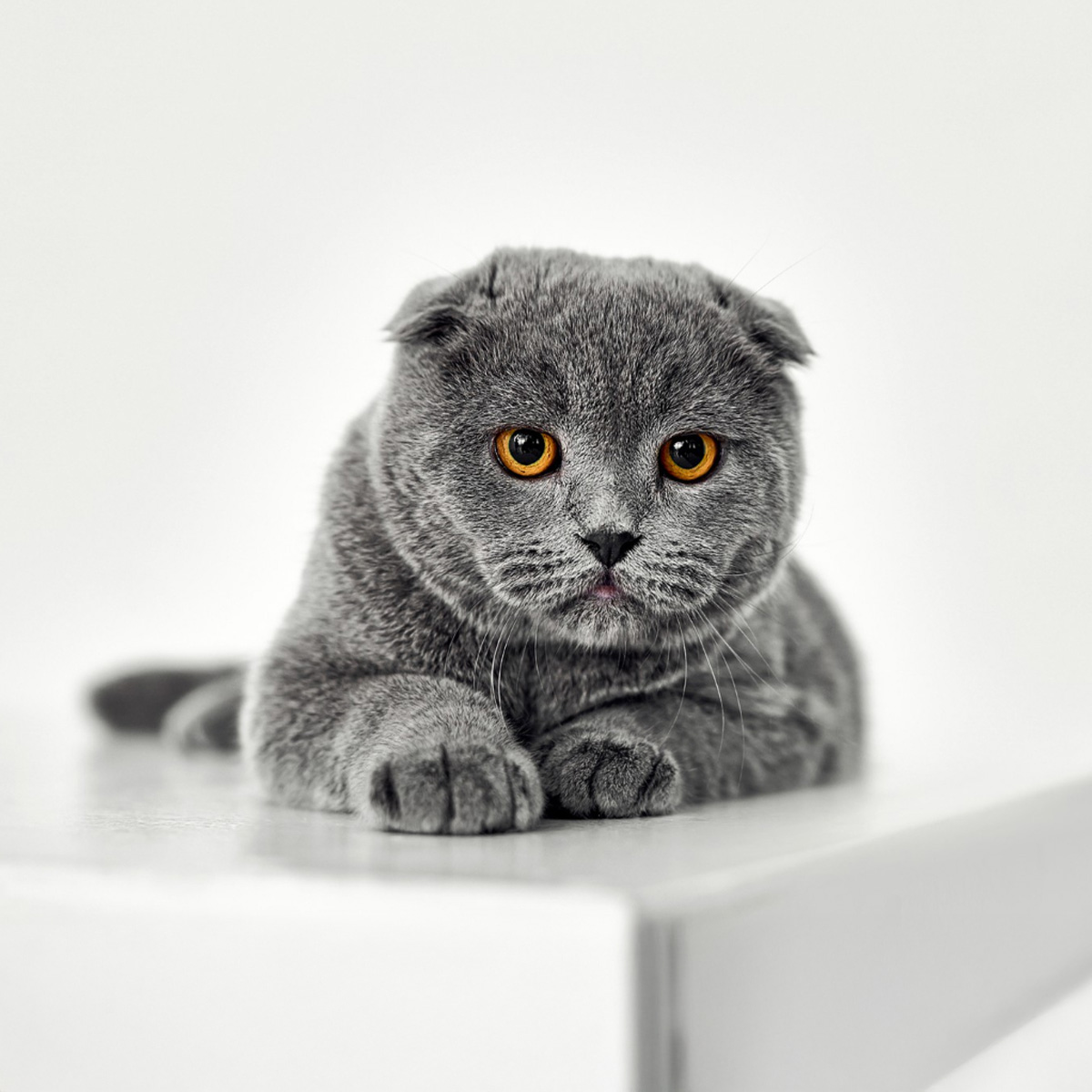
Scottish Folds come in two coat varieties: shorthaired (Scottish Fold) and longhaired (Highland Fold). Both have a double coat with a dense undercoat. That undercoat is the primary source of shedding: it renews itself twice a year and sheds at a lower background level every day in between seasonal peaks.
Scottish Folds shed moderately compared to some other breeds, but their dense double coat requires weekly brushing to remove dead hair and prevent matting (Gumtree, 2026). One important nuance: because the undercoat is so dense, owners often underestimate how much the cat is shedding — the fur doesn't float through the air but collects in clumps on furniture and clothing.
Fact: Scottish Folds shed year-round with heavier peaks in spring and autumn. Short-haired varieties need brushing at least once a week; long-haired Highland Folds need grooming several times a week (Purina Breed Guide, 2025).
Myth: "A shorthaired Scottish Fold doesn't need brushing — it grooms itself." Reality: cats groom by licking and swallow dead hair in the process. Without regular brushing, that hair accumulates in the stomach and forms hairballs — dense masses that can cause intestinal blockage and require veterinary intervention.
How to Brush a Scottish Fold: Tools and Technique
Brushing a Scottish Fold is a simple, pleasant routine — if the cat is introduced to it from kittenhood. Most representatives of the breed respond well to tactile contact and adapt quickly to regular grooming sessions.
Tools for a Short-Haired Scottish Fold
A standard shorthaired Fold needs just three tools. A rubber grooming glove or massage brush — for initial collection of loose hair and skin stimulation. A bristle brush (natural or nylon) — for the main brushing pass and distributing natural oils. A wide-toothed metal comb — for checking results and working through risk zones.
Tools for a Long-Haired Highland Fold
The Highland Fold needs a wider toolkit. Add a slicker brush for undercoat work, plus a fine-toothed metal comb for checking friction zones — behind the ears, under the armpits, and between the back legs.
Pro tip: before brushing, mist the coat lightly with a detangling spray. A Scottish Fold's dense coat is prone to static — the spray neutralises the charge, moisturises each strand and lets the brush pass evenly without irritating the cat.
Before every brushing session: Puramur Express Hair Protector Fluid Spray — formulated for effortless detangling of any coat type, including the dense undercoat of a Scottish Fold and the longer fur of a Highland Fold. Evening primrose and marula oils nourish each strand; hydrolysed keratin protects against mechanical damage. Eliminates static and adds shine. Apply to dry or slightly damp fur before each grooming session.
The Scottish Fold's Ears: Why They Deserve Their Own Section
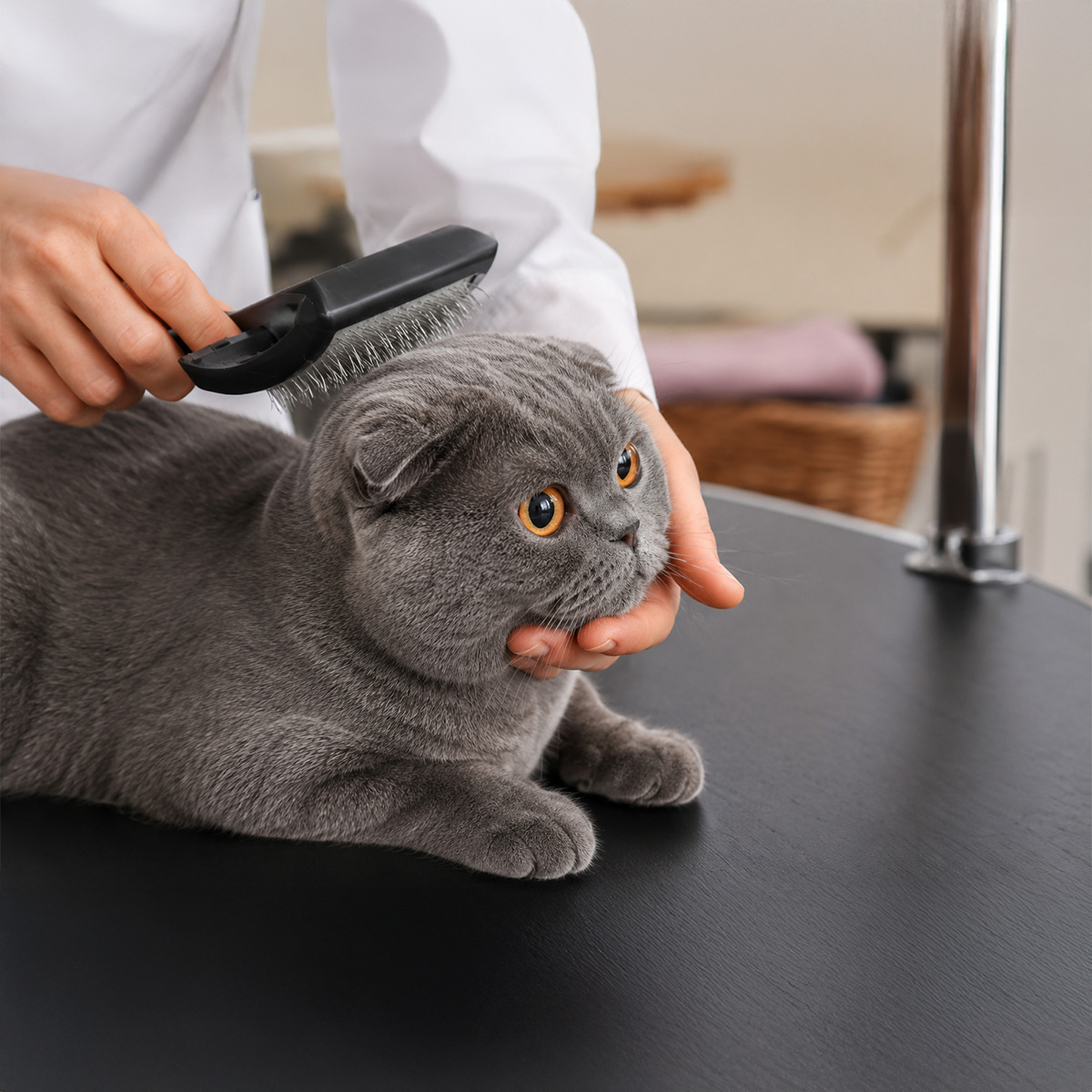
The Scottish Fold's folded ears are not purely cosmetic. They are an anatomical feature that needs regular attention. Due to the folded ears, Scottish Fold owners must check them weekly and clean as needed (ASPCA Pet Insurance, 2025). The closed shape of the ear ventilates poorly: earwax and moisture accumulate faster than in straight-eared breeds, making the risk of ear infection noticeably higher.
Clean the ears with a soft cotton pad lightly dampened with a specialist ear-cleaning lotion. Work from the centre outward — never push inward into the ear canal. Cotton swabs are off the table: they can damage the eardrum and push debris deeper in.
Signs of ear problems: dark brown or black residue, an unpleasant odour, the cat shaking its head or scratching its ear repeatedly — these are signals for an immediate vet visit. Could be ear mites, a fungal infection or bacteria.
Bathing a Scottish Fold: Frequency, Shampoo and One Critical Detail
Scottish cats are bathed every 4–6 weeks. More often only if the cat has got into something or there's a medical reason. Their coat self-cleans naturally through grooming, but regular bathing removes accumulated grease and dead hair the cat can't reach by licking.
Key Points When Bathing a Scottish Fold
Water temperature: 36–37°C. Never direct the water stream toward the ears — even a few drops inside a folded ear canal can trigger an infection. After bathing, immediately pat the ears dry with a soft cotton pad. Apply shampoo with massaging movements, lather well and rinse thoroughly — residue in a dense coat causes itching and dandruff.
For bathing a Scottish Fold: Puramur Basic Care Shampoo — a concentrated base shampoo for all breeds and coat types. Aloe vera and plant extracts of burdock, bidens and wormwood gently cleanse, nourish each strand and add shine. Stimulates hair follicles — particularly useful during shedding season. Dilutable at 1:5 — one bottle lasts a long time.
Conditioner Balm After Bathing — the Coat Will Thank You
The Scottish Fold's dense undercoat dlries out slightly after shampooing and can turn stiff. A conditioning balm restores moisture balance, leaves the coat soft and silky and makes the next brushing sessions noticeably easier. For Highland Folds — essential after every bath. For the short-haired variety — strongly recommended.
After bathing: Puramur Hyaluronic Protection Conditioning Balm — a moisturising balm for excessively dry coats. Hyaluronic acid and aloe vera juice restore the elasticity of each strand; seaweed and stevia extracts reduce skin irritation. The coat gains a healthy shine and stays soft until the next bath. Apply to clean damp fur after shampooing, leave for 3–5 minutes, rinse thoroughly.
Drying — Never Skip It
After bathing, blot with a towel — press, don't rub. Blow-dry on medium heat, paying particular attention to the ear area and the belly. Never leave a Scottish Fold damp in a cool room: the breed is sensitive to draughts and chilling due to the specific characteristics of its musculoskeletal system.
Complete Scottish Fold Coat Care Schedule
| Procedure | Short-haired Fold | Highland Fold | Product / tool |
|---|---|---|---|
| Brushing (normal period) | 1–2× per week | 3–4× per week | Spray + bristle brush or slicker |
| Brushing (shedding season) | 2–3× per week | Daily | Spray + slicker + metal comb |
| Full bath | Every 4–6 weeks | Every 4–6 weeks | Basic Care |
| Conditioning balm | Recommended | Essential | Hyaluronic Protection |
| Ear cleaning | Weekly | Weekly | Ear lotion + cotton pads |
| Nail trimming | Every 2–3 weeks | Every 2–3 weeks | Cat nail clippers |
Frequently Asked Questions (FAQ)
Do Scottish Folds shed a lot?
Scottish Folds shed moderately compared to other breeds, but their dense double coat requires weekly brushing to remove dead hair (Gumtree, 2026). Two peak seasons — spring and autumn. During these periods, increase brushing to 2–3 times per week (for shorthaired Folds) or daily (for Highland Folds).
How often should I clean a Scottish Fold's ears?
Weekly — for prevention. The folded ear shape restricts natural ventilation, so earwax and moisture accumulate faster. Use a soft cotton pad with ear-cleaning lotion, working from the centre outward. No cotton swabs. If you notice dark residue, an odour or the cat shaking its head — see a vet.
How often should I bathe a Scottish Fold?
Every 4–6 weeks for a indoor cat. Scottish cats are tidy and groom themselves effectively, so more frequent bathing isn't needed. One critical point: after every bath, dry the ears thoroughly and keep the cat away from draughts.
Is there a real difference in care between a Scottish Fold and a Highland Fold?
A significant one. The Highland Fold (long-haired variety) needs brushing daily or every other day, a conditioning balm after every bath and a wider set of tools — a slicker brush in place of a standard bristle brush. Ear care is the same for both varieties.
Why has my Scottish cat's coat lost its shine?
The most common cause is irregular brushing and bathing without a conditioning balm. The coat accumulates static and dead hair that dull the natural shine. A second common cause is a diet lacking Omega-3 fatty acids. A consistent care routine and a balanced diet restore the coat's shine within 3–4 weeks.
Summary: What a Scottish Fold Needs for a Perfect Coat
A Scottish Fold is an undemanding cat — but "undemanding" doesn't mean "no maintenance needed." Here's the essential kit for keeping the coat in ideal condition:
- Rubber grooming glove or massage brush — for surface hair collection
- Bristle brush (natural or nylon) — for the main brushing pass
- Metal comb — for checking risk zones
- Slicker brush — essential for Highland Folds
- Detangling spray — before every brushing session
- Gentle shampoo — for bathing every 4–6 weeks
- Conditioning balm — after bathing for softness and shine
- Ear cleaning lotion + cotton pads — weekly without exception
A Scottish Fold rewards care with beauty: a well-groomed coat, healthy skin and the calm, contented temperament the breed is known for. Also read: how to choose the right shampoo for your cat and our guide to Maine Coon coat care — another top breed with its own unique grooming needs.