
Your shopping cart is empty!
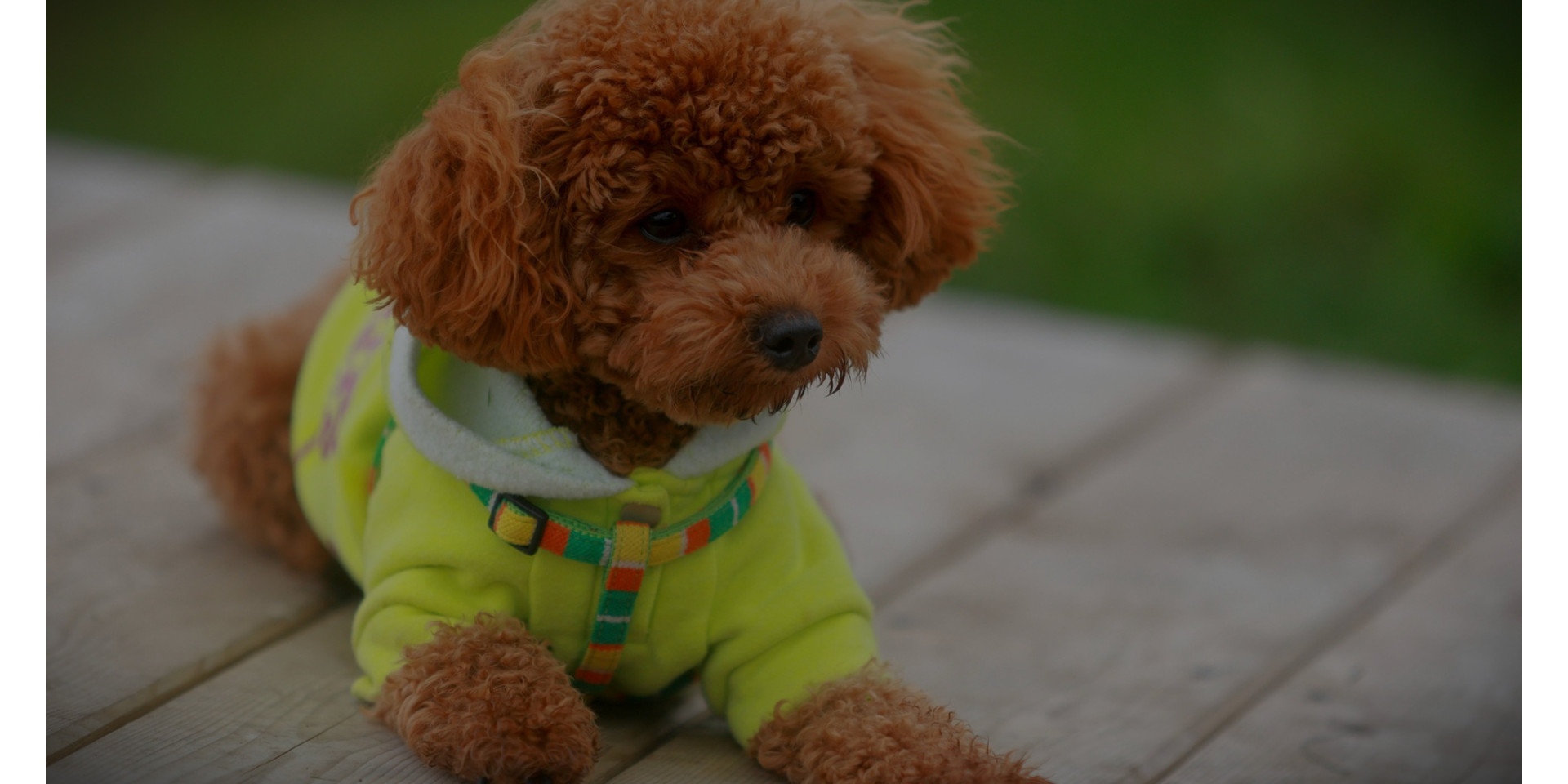
Toy Poodle: Why This Breed Doesn't Shed — and What Its Coat Actually Needs
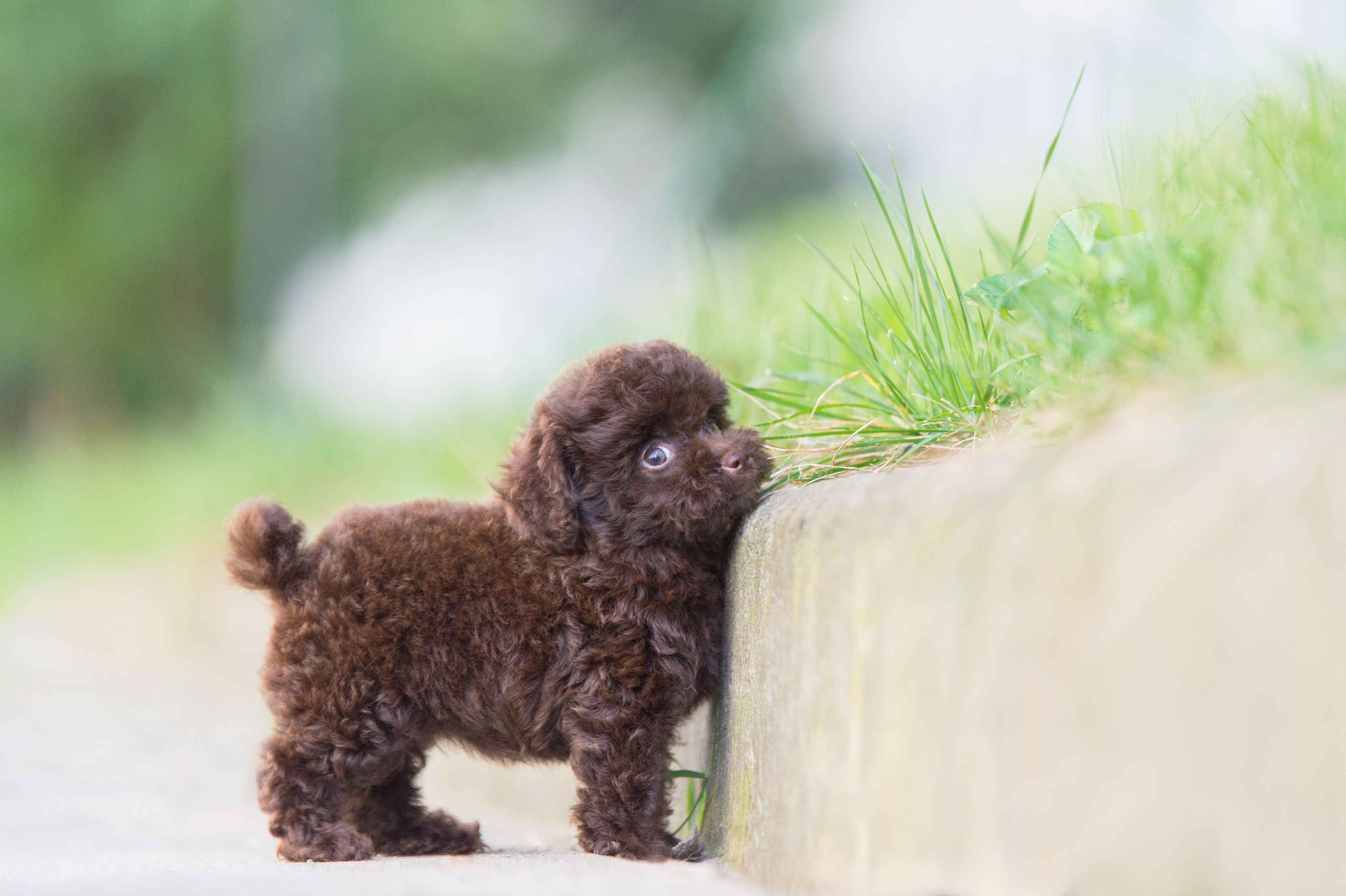
"Poodles don't shed — so I don't need to worry about the coat." This is what most new Toy Poodle owners believe. And it's exactly why, a few months later, they discover that those adorable curls have turned into a solid cap of matts, with dry, irritated skin underneath.
A Poodle genuinely doesn't leave fur on the furniture. But the absence of shedding is not the absence of needs. Quite the opposite: Poodle hair grows continuously, retains moisture, builds up matts from the inside and demands a far more consistent routine than most "ordinary" breeds.
Toy Poodles don't shed because their hair grows continuously — like human hair. Without regular brushing (3–4 times a week) it matts from the inside out. Bathing every 3–4 weeks with a gentle shampoo plus a conditioning balm is essential every time. Professional clipping every 6–8 weeks. According to FCI data (2025), the Poodle has ranked in the top 5 most popular breeds in Europe for over 10 consecutive years.
Why Poodles Don't Shed: The Biology Without the Myths
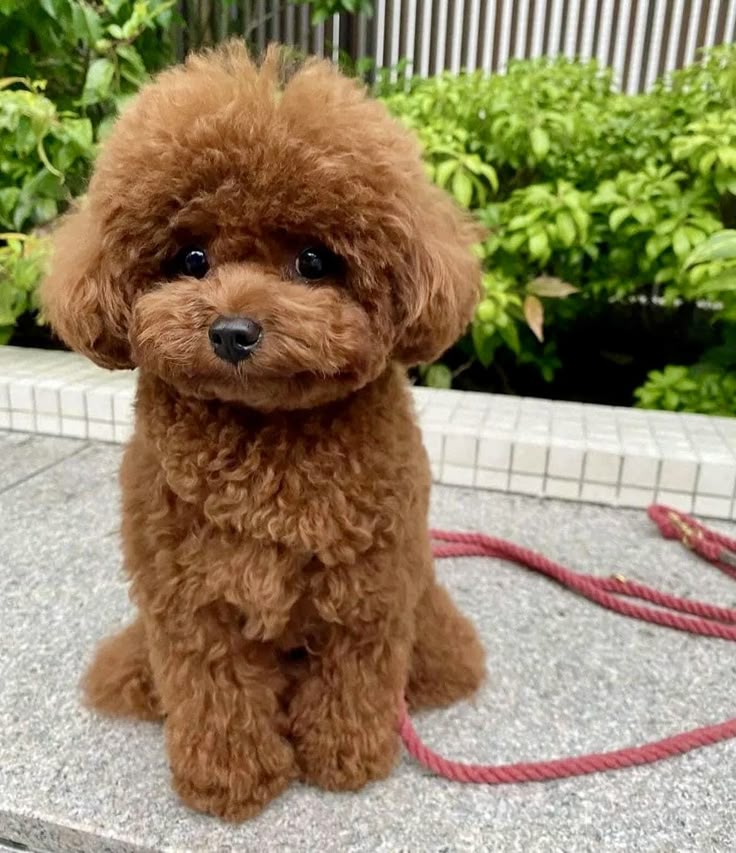
Most dogs shed because their coat follows a clear cycle: growth, rest, loss. In Poodles this cycle is genetically altered: the growth phase is extraordinarily long and the shedding phase is almost entirely absent. Dead hair stays trapped in the curls rather than falling out independently.
Poodles also have no undercoat. Their hair is single-layer, curly, and very similar in structure to human hair. This is what makes the breed hypoallergenic — there is virtually no loose fur in the home to carry allergens. But this same characteristic means dead hair accumulates inside the curls and, without regular brushing, turns into matts.
Myth: "Poodles are hypoallergenic — so there's definitely no allergy risk."Reality: Poodles produce less of the allergen protein Can f 1 (found in saliva and skin oils) than most breeds, and spread almost no loose fur around the home. But 100% hypoallergenic dogs don't exist — an allergic reaction is still possible in sensitive individuals.
There's one more important characteristic: curly Poodle hair retains moisture. After bathing or a walk in the rain, the inside of the curls stays damp for a long time. Trapped moisture is a direct cause of fungal skin infections if the dog isn't dried completely after every wetting.
Brushing a Toy Poodle: Technique, Tools and Frequency
Brushing is a daily or near-daily task for a Poodle owner. Curly hair without an undercoat matts far faster than straight hair: the curls mechanically interweave with each other even without any external pressure.
Which Tools You Need
Three tools cover all the essentials for a Toy Poodle. A slicker brush with fine metal pins — the primary tool for loosening the curls. A metal comb with both fine and wide teeth — for checking results and working sensitive areas. A bristle brush (natural or nylon) — for the final shaping and shine.
Brushing Technique: Layer by Layer, Tips to Roots
Curly hair is brushed differently from straight hair. Start at the tips: hold the section near the root with one hand, brush through the bottom third, then the middle, then from the root outward. This approach prevents pain and breakage. Work from the lower body upward — belly, legs, chest, back, head.
Key point: before every brushing session, lightly mist the coat with water or a moisturising spray. Dry curly hair snaps and coils even tighter under mechanical stress. A small amount of moisture lets the comb pass through the curls without tearing.
How Often to Brush
Three to four times a week is the minimum. If the coat is growing out and hasn't been clipped recently — daily. The highest-risk zones are behind the ears, under the armpits, in the groin and around the collar — these are where matts form first and become densest.
Common mistake: brushing only the surface of the curls without reaching inside. The outer coat looks neat, but a dense matt may already have formed within the curls. Always check with a metal comb: it should pass from root to tip without catching.
How to Bathe a Toy Poodle: Frequency, Shampoo and the Essential Conditioner
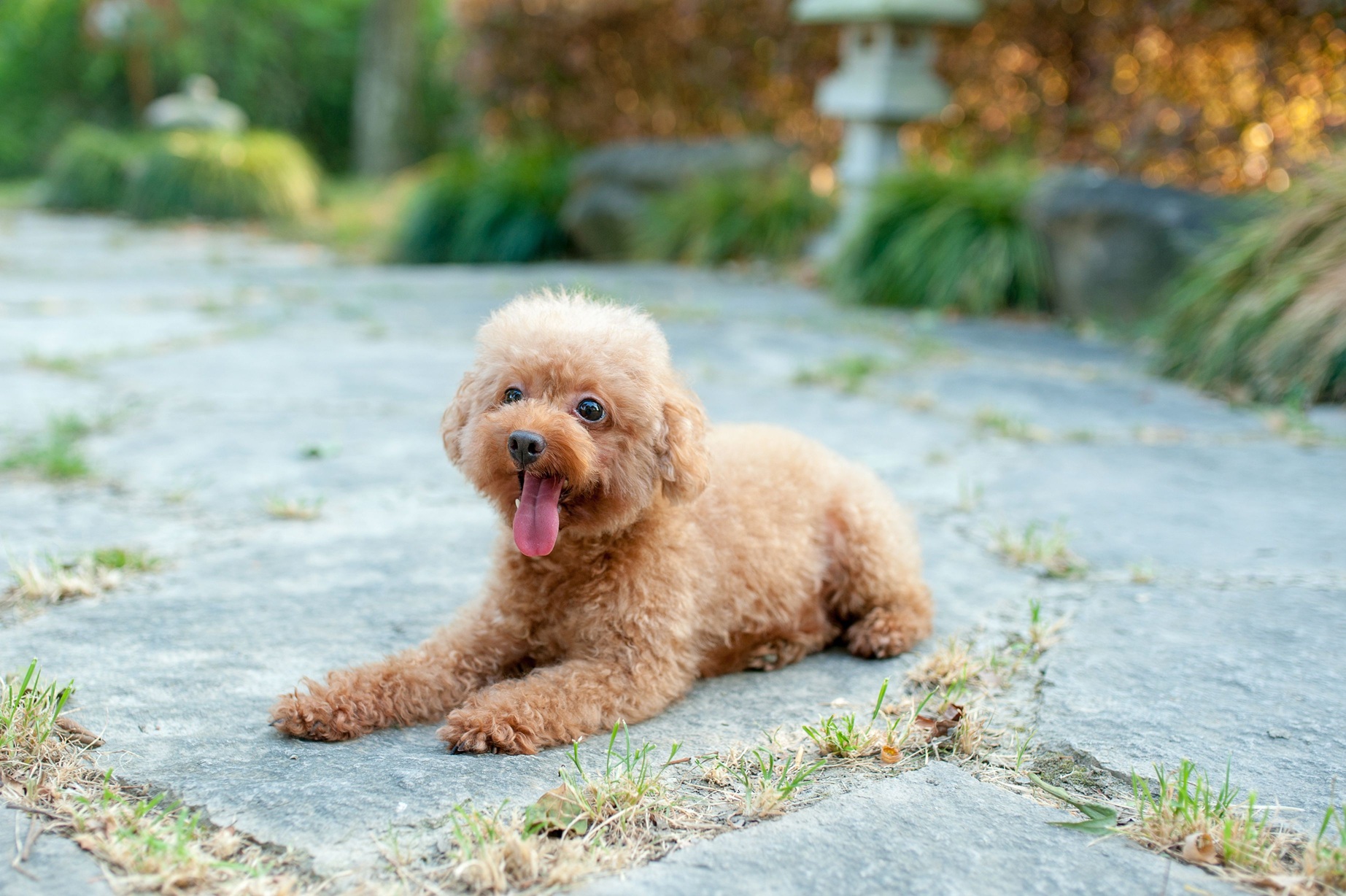
Toy Poodles are bathed every 3–4 weeks. More frequently if the dog is very active and gets dirty. Less often is not ideal: curly hair accumulates grease, dust and odour faster than straight hair, and without regular bathing loses its shape and shine.
Choosing a Shampoo: What to Look For
A Poodle's coat is curly and single-layer, with no protective undercoat. It's more vulnerable to drying out than straight hair. A shampoo needs to cleanse gently without stripping natural oils, and must leave the hair soft and manageable after rinsing. A concentrated formula diluted at 1:5 is the optimal choice: it distributes evenly through the curls without overloading them.
For regular bathing: Puramur Basic Care Shampoo — a concentrated base shampoo suitable for all breeds and coat types. Aloe vera and plant extracts of burdock, bidens and wormwood gently cleanse, nourish each hair strand and add shine. Leaves the coat soft and silky, making the next brushing session noticeably easier. Dilutable at 1:5 — one bottle lasts a long time even with regular use.
Conditioner Balm — Not Optional, Essential
After every bath, a Poodle's curly hair needs conditioning — no exceptions. Shampoo opens the cuticle scales for cleansing; the balm closes them back, restores moisture balance and makes each strand manageable. Without a conditioner, curly hair after blow-drying becomes stiff, prone to static and difficult to brush.
After every bath: Puramur Hyaluronic Protection Conditioning Balm — developed for extremely dry coats and ideal for curly hair types. Hyaluronic acid and aloe vera juice restore the elasticity of each hair strand; seaweed and stevia extracts reduce skin irritation and stimulate the growth of silky, healthy coat. Apply to clean damp hair, leave for 5–10 minutes, rinse thoroughly.
Bathing and Drying Technique
Water temperature: 36–38°C. Apply shampoo to wet fur with massaging movements, work into a good lather and push through to the roots. Rinse thoroughly and at length. After shampooing, apply conditioner, leave for 5–10 minutes, then rinse. Blow-dry on medium heat, brushing with the slicker brush while shaping the curls. The Poodle must be completely dry — moisture trapped inside curls causes unpleasant odour and fungal skin infections.
Trimming a Toy Poodle at Home: The Basic Rules
Poodle hair grows continuously — at roughly 1–1.5 cm per month. Without regular trimming it grows to unmanageable lengths, makes brushing harder and significantly raises the risk of matting. Professional grooming every 6–8 weeks. Between appointments — basic hygiene maintenance at home.
What You Can Do at Home
Trim the hair around the eyes — it obstructs vision and collects tear discharge. Tidy the paws: hair between the pads collects dirt and clumps together. Trim or neaten the area around the anus for hygiene. All of this is done safely with rounded-tip scissors or a clipper with a guard attachment.
Between grooming appointments: apply a leave-in finishing spray to dry fur after every brushing session. It protects each hair strand from static and dust, maintains softness and adds shine to the curls between baths.
Between baths and after brushing: Puramur Keratin & Ceramide Finishing Spray — forms a protective barrier on the surface of each hair strand that repels dust and eliminates static. Aloe vera juice, cornflower extract and ceramides maintain moisture balance, leaving the curls soft and manageable. Delivers a "diamond" shine without weighing the coat down. Apply to dry fur from 15–20 cm — ideal for maintaining curl shape and definition between baths.
Complete Toy Poodle Coat Care Schedule
| Procedure | Frequency | Product |
|---|---|---|
| Brushing with slicker brush + metal comb | 3–4 times per week | Light misting + slicker brush + metal comb |
| Bathing | Every 3–4 weeks | Basic Care Shampoo |
| Conditioning balm | After every bath | Hyaluronic Protection |
| Finishing spray | Daily or every other day | Keratin & Ceramide |
| Professional grooming clip | Every 6–8 weeks | — |
| Hygiene trim at home | Every 2–3 weeks | Rounded-tip scissors or clipper |
| Ear cleaning | Every 1–2 weeks | Ear cleaning lotion |
Frequently Asked Questions (FAQ)
Why doesn't a Toy Poodle shed?
Because of a genetic alteration in the hair growth cycle: Poodles have an exceptionally long growth phase and an almost absent shedding phase. Dead hair stays trapped in the curls and doesn't fall out on its own — it must be regularly brushed out. This is precisely why the Poodle is considered hypoallergenic: there is almost no loose fur in the home.
How often should a Toy Poodle be clipped?
Poodle hair grows at approximately 1–1.5 cm per month. A professional clip is needed every 6–8 weeks to maintain shape and make home care manageable. Without regular clipping the coat grows to unmanageable lengths and significantly raises the risk of matting throughout the body.
What should I do if matts have already formed?
Apply a conditioning balm or leave-in conditioner directly to the matt and let it soak in for 5–10 minutes. Then work through it with your fingers from the tips toward the roots — only then use a comb. Dense matts in friction zones (armpits, groin) are better cut out carefully than torn apart by force.
Are Poodles truly hypoallergenic?
Poodles produce less of the allergen Can f 1 and spread almost no loose fur around the home — this significantly reduces the risk of an allergic reaction. But completely hypoallergenic dogs don't exist. Anyone with allergies is recommended to spend time with a specific Poodle before deciding to bring one home.
Why is a conditioning balm needed after shampooing?
Shampoo opens the cuticle scales for cleansing and slightly dries the hair. Without conditioner, a Poodle's curly coat becomes stiff after blow-drying, prone to static and difficult to brush. The balm closes the cuticle scales, restores moisture balance and keeps the coat soft and manageable until the next bath.
Summary: The Essential Home Grooming Kit for a Toy Poodle
A Toy Poodle doesn't require daily fur removal from furniture and clothes. But it does require consistent, regular care — without which the curly coat quickly becomes a problem. Here's what you need:
- Slicker brush with fine metal pins — for loosening and separating curls
- Metal comb (fine + wide teeth) — for checking results throughout
- Gentle concentrated shampoo — for bathing every 3–4 weeks
- Conditioning balm — after every bath, without exception
- Leave-in finishing spray — between baths, daily or every other day
- Hair dryer with temperature control — for complete drying after every bath
- Rounded-tip scissors — for hygiene trimming between grooming appointments
A Poodle's coat is never a problem when managed consistently. Regular brushing, bathing with the right products and timely clipping — and your Toy Poodle always looks immaculate.
Also read: how to choose the right shampoo for your dog and our guide to Pomeranian coat care — another fluffy breed with unique grooming requirements.