
Your shopping cart is empty!
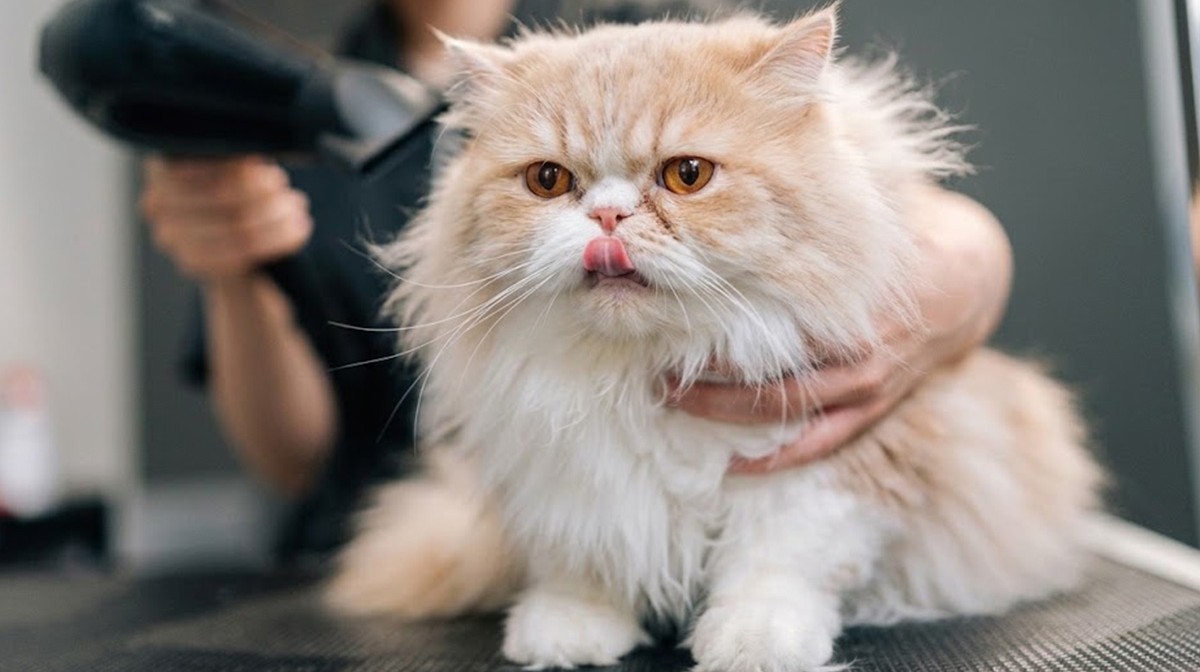
The Persian cat is one of the oldest and most recognisable breeds in the world. Its magnificent long coat, flat face and serene temperament have captivated people for over three centuries. But there's something that rarely gets mentioned at the point of purchase: Persian cat fur doesn't follow the normal rules of cat shedding. Dead hair instantly tangles into live strands and, within 72 hours without grooming, forms dense matts (CatBreedGuide, 2026).
Left unattended for a month, those matts merge into a solid compressed sheet — known as a pelt — that cannot be combed out and requires removal under anaesthesia. This isn't a scare story for new owners. It's a simple fact, and the grooming technique that prevents it is entirely learnable.
Persian cats need daily brushing without exception. Bathing every 2–4 weeks with a deep-cleansing shampoo plus a mask — every time. Tear stains cleaned daily. Ears cleaned weekly. Demand for Persian cats grew by 14% in North America and 11% in Europe in 2026 (Petopic, 2026) — and alongside that demand comes a growing need for the right grooming products.
Why Persian Cat Fur Is the Most Demanding to Care For
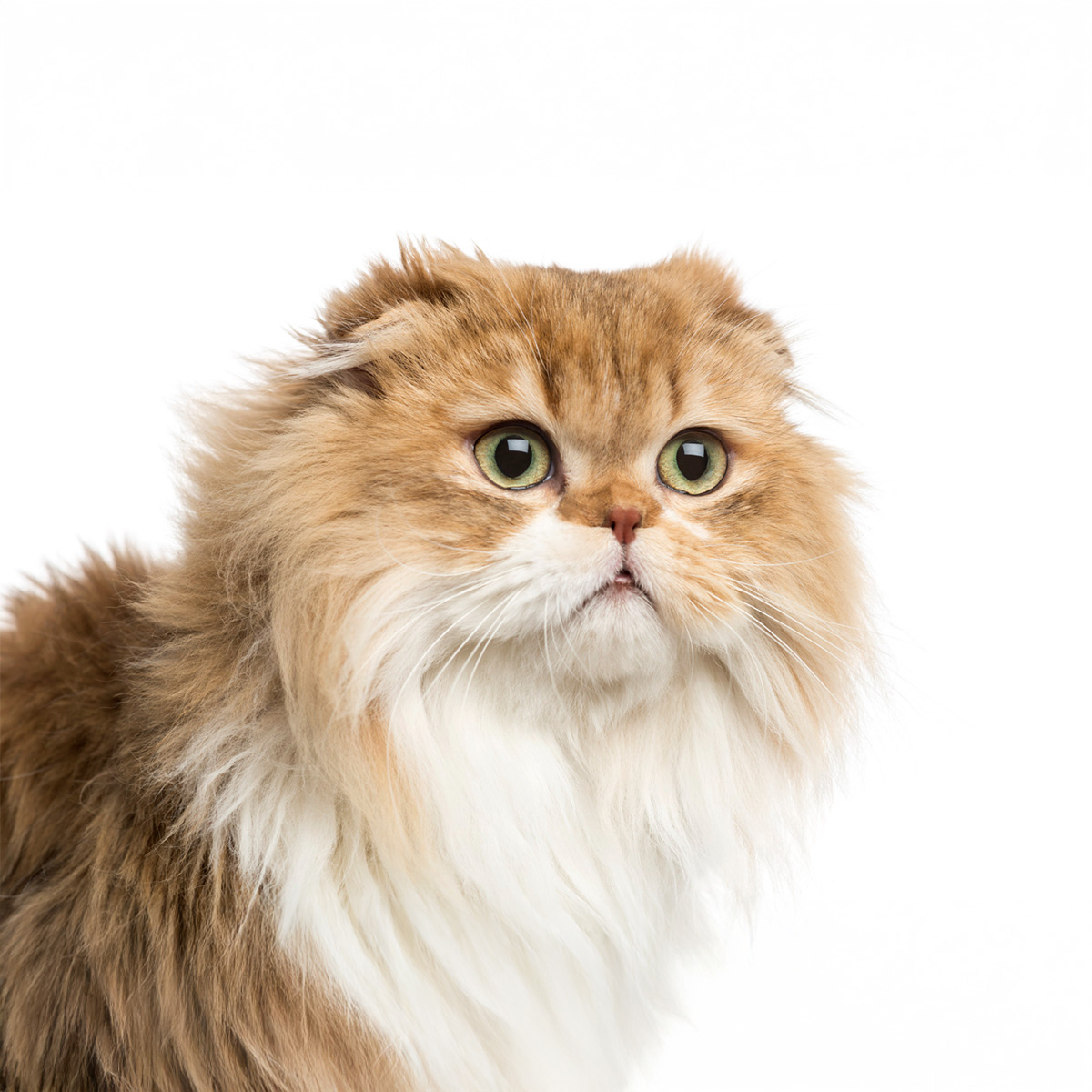
The Persian cat has a double coat with a very specific structure. The outer guard hair is the longest of any domestic breed — up to 20 cm. The undercoat is extraordinarily dense and fine, with strands that intertwine with each other at the slightest provocation. Because each hair strand is so fine and the coat so dense, dead hair doesn't fall to the floor — it detaches from the follicle and immediately tangles into the surrounding live strands (CatBreedGuide, 2026).
The central trap: the coat looks beautiful on the surface while matts are already forming inside. Surface brushing alone solves nothing — the technique that reaches the undercoat, known as line combing, is the only method that actually works.
Critical to know: if a matt is left unattended for even 72 hours, it actively compresses. Left for a month, matts merge into a solid pelt — a dense sheet of matted fur whose removal requires surgical intervention under anaesthesia (CatBreedGuide, 2026).
Fact: Persian cats most commonly develop matts in three zones: under the armpits, behind the ears and around the tail — areas of the highest friction and the densest fur (Catster, 2026). These zones need dedicated attention during every single grooming session.
Line Combing Technique: The Only Correct Method for Persian Fur
For a Persian cat, the standard "brush from head to tail" technique is not just insufficient — it's actively counterproductive. The most common mistake new Persian owners make is buying a brush or slicker from a pet shop and working it over the surface of the coat. This smooths the outer layer without touching the undercoat where matts are already forming.
The Correct Approach: Line Combing
Divide the coat into horizontal sections using your fingers or a comb — think of them as rows of text. Hold the top layer back with one hand. Comb the bottom layer from roots to tips using a wide-toothed metal comb. Then release the next layer and repeat. Only this way does the comb reach the undercoat and remove dead hair before it has a chance to compress.
Always before combing: apply a detangling spray to the entire coat. Dry dense fur breaks and tangles even further under mechanical stress. Moisturised undercoat combs through without tearing — and significantly reduces the cat's stress during the session.
Before every grooming session: Puramur Express Hair Protector Fluid Spray — formulated for dense, long coats. Evening primrose and marula oils nourish each strand; hydrolysed keratin protects against mechanical damage; silk proteins add slip and reduce resistance during combing. Apply to dry or slightly damp fur before every session.
Bathing a Persian Cat: More Often Than You Think
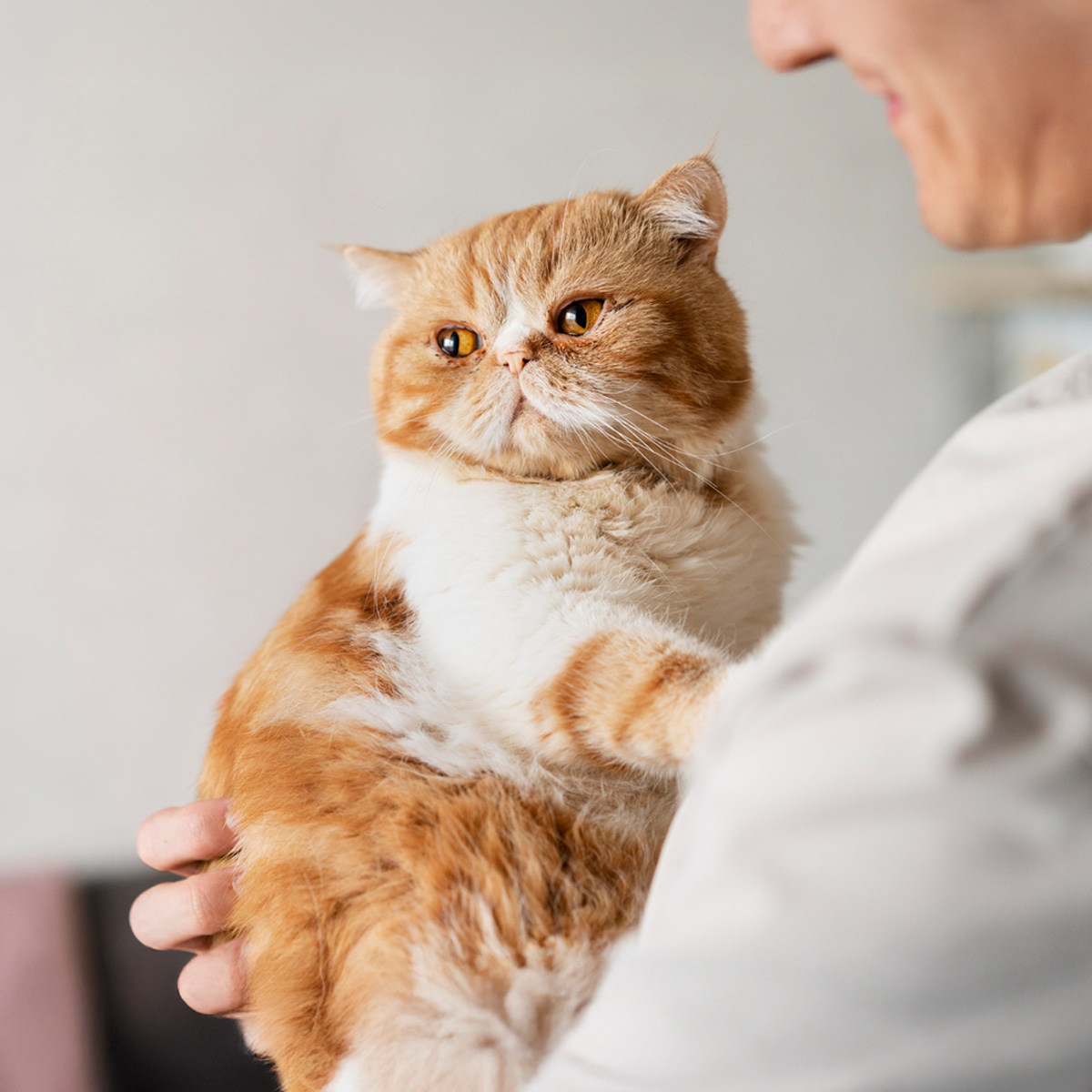
Persian cats need bathing every 2–6 weeks. Their dense fur accumulates dirt and grease significantly faster than short-haired breeds (Eye Envy, 2025). The optimal frequency for indoor Persians is every 3–4 weeks. Standard gentle shampoos are not enough — the coat needs deep cleansing that removes the grease buildup from the undercoat without drying out the skin.
For bathing a Persian cat: Puramur Crystal Shine Shampoo — deep-cleansing shampoo for dogs and cats. Delivers crystal-clear cleansing even through the densest, most naturally oily Persian coat. Biotin and amla fruit extract strengthen hair follicles and stimulate growth. Leaves the coat glossy and visibly healthier. Apply to wet fur, lather thoroughly, leave for 5 minutes, rinse completely.
The Coat Mask After Shampooing — a Non-Negotiable Step
After deep cleansing, the Persian's coat needs intensive restoration. A vitamin mask works directly on the hair follicle, strengthens the strand structure and prevents brittleness — the primary damage caused by regular bathing in such a dense coat.
After shampooing: Puramur Wake Up Coat Mask — intensive strengthening, restoration and growth stimulation. B vitamins, D-panthenol, biotin, nettle and calamus extracts nourish the follicles, accelerate growth and prevent static. Apply to damp fur after shampooing, leave for 5–10 minutes, rinse thoroughly. Course: 4–6 weeks.
Drying — the most critical step. Blow-dry on medium heat for 30–60 minutes, combing through each section while drying. Never leave a Persian cat damp — moisture trapped in the dense undercoat causes matting and fungal skin infections.
Tear Stains: Problem #1 for Persian Cats
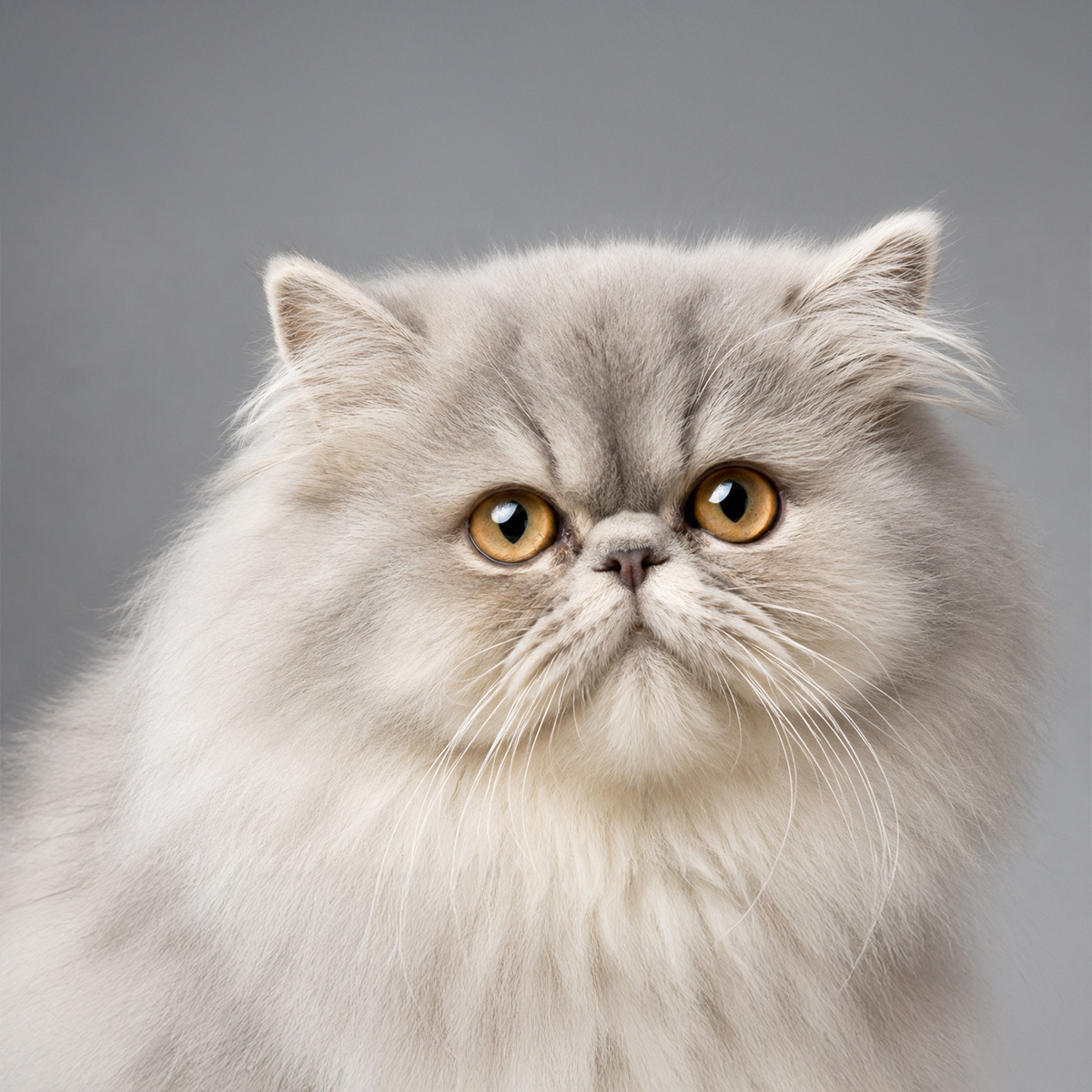
The Persian cat is a brachycephalic breed. Due to the flat face and specific anatomy of the nasolacrimal duct, the cat cannot drain tear fluid normally. It runs down the muzzle, leaving dark tracks that become permanent stains without daily cleaning.
The daily routine: in the morning, gently wipe the area around both eyes with a soft cotton pad dampened with warm water. Work from the inner corner of the eye outward. Use a separate pad for each eye to avoid cross-contamination.
For tear stain removal: Puramur Go White Paste — an effective product for removing and preventing dark staining on animal fur. Contains white clay, zinc oxide, avocado oil and silver. Apply to dry, clean fur on affected areas using a spatula or cosmetic brush and allow to fully absorb and dry. Ideal for the white and light-coloured fur of Persian cats. Regular use prevents pigment accumulation and keeps the face clean between sessions.
When to see a vet: if discharge is heavy, green or yellow in colour, or the cat is rubbing its eyes with a paw — this may indicate conjunctivitis or nasolacrimal duct blockage. Do not attempt home treatment.
Persian Cat Ears: Extra Attention Especially After Bathing
The Persian cat's small ears with dense hair inside are prone to earwax accumulation — particularly after bathing. The risk of ear infection is elevated. Weekly preventive cleaning is a mandatory part of the grooming routine, not something to do only when a problem appears.
For weekly ear care: Puramur Clean Ears Antibacterial Powder — cleanses the ear canal, neutralises unpleasant odour and eliminates pathogenic microflora. Regular use substantially reduces the risk of ear infections. Apply directly into the ear canal, gently massage the base of the ear, then wipe with a cotton pad.
Complete Persian Cat Grooming Schedule
| Procedure | Frequency | Product / tool |
|---|---|---|
| Line combing | Daily | Spray + wide-toothed metal comb |
| Face and eye cleaning | Daily | Warm water + cotton pad |
| Tear stain treatment | 3–4× per week | Go White paste |
| Full bath with shampoo | Every 2–4 weeks | Crystal Shine |
| Coat mask | After every bath | Wake Up |
| Ear cleaning | Weekly | Clean Ears |
| Nail trimming | Every 2–3 weeks | Cat nail clippers |
Frequently Asked Questions (FAQ)
How much time does Persian cat grooming take each day?
With an established daily routine: 15–25 minutes — 10–15 for combing and 5 for face cleaning. Skip a few days and that time multiplies because of matts. Daily consistency is the most effective way to reduce the total time investment over a week.
What should I do if my Persian cat already has matts?
Apply a detangling spray or conditioner directly to the matt and wait 5–10 minutes. Work through it with your fingers from the tips toward the root. Dense matts are better cut out than forced apart. If matts are widespread — see a groomer. A matt left for more than a month turns into a pelt that requires removal under anaesthesia (CatBreedGuide, 2026).
How often should I bathe my Persian cat?
Every 3–4 weeks for an indoor cat. The dense coat accumulates grease and dirt quickly, making regular bathing essential. Always comb thoroughly before bathing and blow-dry completely afterward — moisture in the undercoat leads directly to matting and fungal skin infections.
Why does my Persian cat have dark stains under the eyes?
Because of the flat face and the specific anatomy of the nasolacrimal duct, Persian cats cannot drain tear fluid normally. It runs down the face and leaves a dark pigment trail. Solution: daily cleaning with a damp cotton pad plus a specialist tear stain paste. If discharge becomes heavy or changes colour — see a vet.
Is a Persian cat suitable for busy people?
The honest answer: no. A Persian cat requires daily grooming that cannot be skipped without real consequences for the coat. If your schedule doesn't allow 15–25 minutes every day — consider another breed, or be prepared for regular and costly groomer appointments.
Summary: A Persian Cat Is a Commitment, Not a Hobby
The Persian cat is one of the most beautiful breeds in the world. But that beauty is the result of daily work. Here is what's needed without exception:
- Wide-toothed metal comb — daily, no compromises
- Detangling spray — before every session
- Natural bristle brush — for shine after combing
- Deep-cleansing shampoo — every 2–4 weeks
- Vitamin coat mask — after every bath
- Tear stain paste — 3–4 times per week
- Antibacterial ear-cleaning powder — weekly
Also read: how to choose the right shampoo for your cat, our guide to Maine Coon coat care and Ragdoll coat care — long-haired breeds with considerably less demanding grooming requirements.